• Patient Preference Information (PPI) in Improving Patient-centricity of Healthcare

    Patient Preference Information (PPI) in Improving Patient-centricity of Healthcare

    Patient Preference Information (PPI) has emerged as a powerful tool, gaining recognition in the healthcare industry for its multifaceted ability to enhance patient-centered care, refine clinical trial design, and inform crucial treatment decisions. The drive towards patient-centered care has become a hallmark of modern healthcare, emphasizing the need to tailor healthcare decisions and practices according to patients’ values and preferences. In this context, PPI assumes a pivotal role by providing invaluable insights into patients’ authentic desires and requirements. Furthermore, PPI has the potential to revolutionize clinical research and treatment strategies by actively incorporating the patient’s perspective into the decision-making process.[1]

    The advantages of incorporating PPI into clinical research are manifold, including enhanced patient recruitment and retention, refined trial design, and elevated patient satisfaction. Clinical trials stand as the bedrock of advancing medical knowledge and ushering in new treatments. However, traditional RCTs are often criticized as being physician-centric, research-oriented, and being executed in a ‘controlled setting’ without much importance to patient preferences.[2] The integration of PPI into clinical trial design can potentially improve the patient-centricity of the research [3]. For example, in a clinical trial, patients may be given the choice between two treatment regimens with differing efficacy and side effect profiles: hypothetically, patients can be asked to select either an option with a lower efficacy but better safety, or an alternative with a higher efficacy but not-yet-completely-known safety profile. Based on these preferences, randomization can be carried out: a design sometimes referred to as ‘preference-based randomization’. This ensures that the selected treatment aligns closely with the patient’s preferences and lifestyle.[4] Such preference-based randomization allows patients to articulate their treatment preferences, enabling researchers to allocate treatments accordingly. This approach not only enhances patient engagement but also holds the potential to improve treatment adherence, thereby yielding more accurate outcomes.[1-3]

    PPI extends its influence beyond the confines of clinical trials, exerting a substantial impact on the daily landscape of patient care. Central to the concept of patient-centered care is the notion of treating the patient as an active and engaged participant in their healthcare journey. In this context, PPI serves as a vital connective bridge that facilitates seamless communication and collaboration between healthcare providers and patients, bridging the gap between medical expertise and individual values and choices.[1] PPI equips healthcare providers with profound insights into patients’ values, preferences, and goals, facilitating the creation of personalized care plans that harmonize with the patient’s desires. For instance, an older patient facing a terminal illness may prioritize the quality of life over aggressive treatments: accordingly, PPI can steer the development of a care plan that honors this preference.[1,2]

    On the other end of the table, PPIs can also empower patients. The PPI gathering process can make acquaint the patient with comprehensive information regarding their treatment options and possible outcomes, making them more inclined to actively partake in decisions regarding their care, thus championing shared decision-making and fostering enhanced collaboration between patients and healthcare providers to make well-informed choices. For instance, a patient diagnosed with breast cancer may harbor strong preferences concerning the timing of surgery. Here, PPI can guide discussions regarding the appropriate treatment timeline. This collaborative approach often translates into enhanced treatment adherence and heightened patient satisfaction.[1,2]

    Regulatory agencies have come to recognize the pivotal role of PPI in healthcare decision-making. These agencies are increasingly incorporating PPI into their evaluations of novel drugs and medical devices. For instance, the USFDA developed a set of guidance in 2020 regarding the collection and use of PPI in regulatory decision-making, underscoring its significance in benefit-risk assessments. Similarly, the European Medicines Agency (EMA) is actively exploring the incorporation of patient preferences in benefit-risk assessments. Additionally, Health Canada has initiated the Patient and Public Engagement Initiative, involving patients in drug approval processes. The Medicines and Healthcare Products Regulatory Agency (MHRA) in the UK values patient input and engagement in its regulatory activities, while the Therapeutic Goods Administration (TGA) in Australia is incorporating patients’ perspectives, particularly in medical device approvals. This information informs regulatory decisions and ensures that healthcare interventions align with patient preferences and expectations.[5-11]

    All said, incorporating PPI into clinical research presents several significant challenges. First and foremost is the need for standardization in the collection and analysis of PPI, as patient preferences can vary widely across different contexts. Ensuring that the preferences of trial participants accurately represent the broader patient population is another challenge, as volunteer biases can skew data. Moreover, using PPI for randomization in RCTs may introduce bias, as it could lead to a non-representative sample if patients with strong preferences self-select into certain treatment arms. Ethical considerations, resource intensiveness, integration with regulatory requirements, interpreting and applying PPI data, patient education, and engagement are all practical challenges that must be addressed. Finally, achieving regulatory acceptance and standardization of PPI methods and findings across regions and healthcare systems remains a critical hurdle.[12]

    The use of PPIs in routine clinical practice is associated with a distinct set of challenges. These include the seamless integration of PPI data into electronic health records and clinical workflows, the importance of upholding patient privacy and securing informed consent for its use. Other complexities include the need for proper interpretation and application of PPI data in individual patient care decisions and the requirement for training healthcare providers to communicate and utilize PPI effectively. Additionally, allocating adequate time and resources in busy clinical settings, fostering patient engagement in sharing their preferences, and developing standardized methods for collecting also pose complications to the use of PPIs in healthcare. Overcoming these challenges necessitates collaboration among stakeholders to harness the potential benefits of PPI in enhancing the relevance and patient-centeredness of clinical research and healthcare decision-making.[12]

    In conclusion, PPI is an indispensable and versatile tool in healthcare, both in research and routine healthcare delivery, as indicated by the growing acknowledgment of PPIs by regulatory agencies. Its manifold applications encompass the enhancement of clinical trial design, the augmentation of patient-centered care, and the facilitation of treatment selection, all fostering an enhancement of patient-centered care and medical research. PPI empowers patients to occupy a central role in their healthcare decisions, ultimately culminating in improved patient outcomes and heightened patient satisfaction.

    Become A Certified HEOR Professional – Enrol yourself here!

    References

    1. McPherson K, Chalmers I. Incorporating patient preferences into clinical trials. Information about patients’ preference must be obtained first. BMJ. 1998 Jul 4;317(7150):78; author reply 78-9.
    2. Wasmann KA, Wijsman P, van Dieren S, Bemelman W, Buskens C. Partially randomised patient preference trials as an alternative design to randomised controlled trials: systematic review and meta-analyses. BMJ Open. 2019 Oct 16;9(10):e031151.
    3. Lambert MF, Wood J. Incorporating patient preferences into randomized trials. Journal of clinical epidemiology. 2000 Feb 1;53(2):163-6.
    4. Kowalski CJ, Mrdjenovich AJ. Patient preference clinical trials: why and when they will sometimes be preferred. Perspectives in biology and medicine. 2013;56(1):18-35.
    5. Sharma NS. Patient centric approach for clinical trials: Current trend and new opportunities. Perspect Clin Res. 2015 Jul-Sep;6(3):134-8.
    6. Marshall, Deborah A. “Brief Overview of Patient Preference Information (PPI).” FDA Committee. PowerPoint Presentation. March 2021. https://www.fda.gov/media/146925/download.
    7. Irony T, Ho M, Christopher S, Levitan B. Incorporating patient preferences into medical device benefit-risk assessments. Statistics in Biopharmaceutical Research. 2016 Jul 2;8(3):230-6.
    8. Mühlbacher AC, Juhnke C, Beyer AR, Garner S. Patient-focused benefit-risk analysis to inform regulatory decisions: the European Union perspective. Value in Health. 2016 Sep 1;19(6):734-40.
    9. Weeks L, Polisena J, Scott AM, Holtorf AP, Staniszewska S, Facey K. Evaluation of patient and public involvement initiatives in health technology assessment: a survey of international agencies. International journal of technology assessment in health care. 2017;33(6):715-23.
    10. Aiyegbusi OL, Cruz Rivera S, Oliver K, Manna E, Collis P, King-Kallimanis BL, Bhatnagar V, Herold R, Hopkins J, Campbell L, Croker A. The opportunity for greater patient and public involvement and engagement in drug development and regulation. Nature Reviews Drug Discovery. 2023 May;22(5):337-8.
    11. Russell TG, Jones AF. Implications of regulatory requirements for smartphones, gaming consoles and other devices. Journal of physiotherapy. 2011 Jan 1;57(1):5-7.
    12. Selman LE, Clement C, Douglas M, et al. Patient and public involvement in randomised clinical trials: a mixed-methods study of a clinical trials unit to identify good practice, barriers and facilitators. Trials. 2021 Dec;22:1-4.
  • Living HTAs: Helping to Keep Health Technology Evidence in Real-Time

    Living HTAs: Helping to Keep Health Technology Evidence in Real-Time

    Health technology assessment (HTA) is a process that evaluates the safety, efficacy, and cost-effectiveness of medical technologies, such as drugs, medical devices, and diagnostic tests, in order to inform decision-making about their use in healthcare. It is a multidisciplinary approach that explores health technologies from clinical, economic, and the larger societal viewpoint. (1)

    Living HTA is a relatively new approach in the field of HEOR (health economics and outcomes research) in which the HTA methodology is applied in real-time or in a ‘living’, continuous manner, as opposed to traditional HTA that makes recommendations on an evidence base at a fixed point in time (2).

    Traditional HTA is analogous to a snapshot in time: any change in the set of potentially relevant interventions and comparators since the time of publication of the HTA report, or any methodological changes including updates in the structural assumptions of health economic models and the model inputs as well as the methods used to estimate the cost-effectiveness, can make the HTA report outdated. (3,4) These factors cumulatively create a significant risk of making incorrect decisions that may not deliver the promised value in healthcare. While certain HTA agencies update HTAs regularly if specific criteria are satisfied, these updates often take years, and at times the decision becomes outdated by the time these updates are published. (5) All these factors bring to the fore the importance of Living HTAs.

    Living HTA entails conducting frequent updates to the HTA, either manually or in a semi-automated manner. Each part of the HTA is rendered ‘alive’ in the living HTA by regularly applying updates and integrating different HTA elements, including literature searches, data extractions, updating the meta-analysis and cost-effectiveness model, and updating the entire HTA report. (2) There is no set interval for conducting living HTA, as it is typically an ongoing process that involves continuous monitoring and assessment of the technology in question. The frequency of conducting living HTA depends on the specific technology being assessed, the availability of new evidence, changes in the regulatory landscape, emergence of new technologies, as well as the context and objectives of the assessment.

    Manual living HTAs usually requires a team of committed researchers to update at specific points of the HTA process. It also necessitates the use of secure web-based user interfaces to exchange data across various processes to accomplish real-time live HTA. (2) Considering these challenges, and utilizing ongoing technological advances, researchers have explored automating certain aspects of living HTA to make the process simpler. These attempts include technologies to automate literature searching, trial identification, data extraction, performing systematic reviews, meta-analyses, and health-economic modelling, to name a few. Additionally, there have been attempts for automating HTA documentation as well.(6,7) However, automating the multiple steps involved in a HTA process is by itself a challenge since it requires adaptation of the model source code. Further, the process requires manual input from experienced HTA researchers to check the updates and ensure that the output from each stage is appropriate. Automation may also have ethical concerns, and may also lead to potential errors during the automation processes. Perhaps as a result of all these challenges, none of the HTA agencies at present have accepted automated procedures in HTA submissions.(6)

    There are a lot of challenges that the ‘Living HTA’ may face to cope-up with the increasing evidence base. Perhaps the most important challenge concerns new data: its availability, nature, access, and quality. Without sufficient data, it may be difficult to conduct an accurate and reliable assessment of the technology’s safety, efficacy, and cost-effectiveness. The next challenge pertains to the resource constrains: since living HTA is an ongoing process, the resource (monetary as well as manpower) demands are considerably higher. Next, there are concerns about data management, particularly for automated living HTA (which requires storing data in the cloud). There are also concerns surrounding the regulatory framework about HTA methodology, data requirements, and conditions for approval. Further, since Living HTA involves ongoing engagement with multiple stakeholders, including patients, healthcare providers, industry, and regulatory bodies, ensuring effective engagement and communication can be a challenge, particularly in cases where there are conflicting perspectives or priorities. Finally, HTA recommendations that change frequently may be difficult for the healthcare system to implement because, in practice, it takes time to procure and supply interventions that are newly deemed cost-effective and to decimate existing supplies of interventions that are no longer cost-effective. (6)

    Thus, while living HTA has the potential to provide more responsive, adaptive, accurate, and recent evidence for healthcare decision-making, it also requires careful consideration of various challenges to ensure that the assessment is accurate, reliable, and useful for guiding healthcare policy and practice.

    Become A Certified HEOR Professional – Enrol yourself here!

    References

    1. Oortwijn W, Jansen M, Baltussen R. Use of evidence-informed deliberative processes by health technology assessment agencies around the globe. International journal of health policy and management. 2020 Jan;9(1):27.
    2. Thokala P, Srivastava T, Smith R, et al. Living Health Technology Assessment: Issues, Challenges and Opportunities. Pharmacoeconomics. 2023 Jan 18:1–11. doi: 10.1007/s40273-022-01229-4. Epub ahead of print. PMID: 36652184; PMCID: PMC9848020.
    3. Garritty C, Tsertsvadze A, Tricco AC, et al. Updating systematic reviews: an international survey. PloS one. 2010 Apr 1;5(4):e9914.
    4. Gutiérrez-Ibarluzea I, Chiumente M, Dauben HP. The life cycle of health technologies. Challenges and ways forward. Frontiers in pharmacology. 2017 Jan 24;8:14.
    5. Kirwin E, Round J, Bond K, McCabe C. A conceptual framework for life-cycle health technology assessment. Value in Health. 2022 Jul 1;25(7):1116-23.
    6. Smith RA, Schneider PP, Mohammed W. Living HTA: Automating Health Economic Evaluation with R. Wellcome Open Research. 2022 Oct 11;7:194.
    7. Khalil H, Ameen D, Zarnegar A. Tools to support the automation of systematic reviews: a scoping review. Journal of Clinical Epidemiology. 2022 Apr 1;144:22-42.
  • Living SLRs: an Approach to Enhance Accuracy and Recency of SLRs

    Living SLRs: an Approach to Enhance Accuracy and Recency of SLRs

    Living systematic literature reviews (SLRs) are a type of SLRs that are continually updated by periodically including relevant new evidence as and when it becomes available. SLRs are often considered to occupy the top of the evidence pyramid because they synthesize evidence from different sources and present a summary of the evidence, thus enabling clinical and policy-level decision-making.

    Thus, it becomes essential that SLRs are of high quality, and are updated to include the latest available information.(1) Traditional SLRs that are published in high-quality journals can be expected to be of high quality, but lag when it comes to the ‘updated’ aspect because such SLRs represent static depictions of snapshots of the evidence at the time the research was published.(2) With the emergence of new evidence in the field, some of the recommendations given in an SLR that was published previously might become outdated, thereby challenging the validity of the guidelines that were developed using the SLR.(3)
    Thus, while it is difficult to update an SLR, failure to do so results in lower accuracy and recency of the SLRs.(4)

    Living SLRs is an approach that tries to resolve this problem.  Living SLRs are high-quality, up-to-date, sometimes online, evidence summaries that help identify new trends and developments in the field. A living SLR involves regular literature screening (e.g., monthly), through which newly detected studies are added to the review. Accordingly, metrics such as meta-analysis or other summary measures are also updated with new study results, thereby leading to an updated review of findings and conclusions.(5)

    Living SLRs are prepared following a review process similar to that of regular SLRs; however, after the initial publication, the literature is monitored and new results are incorporated as they become available. Continuous monitoring makes it possible to offer the most recent data at all times and further supports the validation of previous conclusions based on the most recent findings in the given field. This guarantees that clinical recommendations, which are largely based on SLRs, take benefit of the most recent clinical data.(5)

    Since living SLRs necessitate a continuous workflow, the effort required is moderate, coordinated over long periods, and involves a gradual evolution in the review team, as opposed to the intensive, sporadic effort of standard SLRs and traditionally updated SLRs. Approaches such as machine learning (RCT classifier) and citizen science (Cochrane Crowd) are often utilized to expedite the evidence-screening process.(6)

    Recently, especially with living SLRs that are available online, there have been efforts to improve data visualization and relevance, thereby enhancing the user experience, through the usage of AI. Recent innovations have made it possible for the user to select the outcome of interest, with the usage of features such as interactive portals, user-friendly platforms, customizable inclusion criteria, and automatically scheduled updates.(7)

    Living SLRs do have certain challenges as well; probably the most important ones are related to the workload as it requires a larger investment than traditional SLRs. An equally challenging concern is the need to engage a large and dedicated team to constantly work on the updates, including tracking ongoing studies, locating full-text articles, chasing trial authors for data, screening the articles, data management, updating PRISMA chart, and results tables. With offline (published) living SLRs, editors need to set up peer reviews in advance to prevent delays, which can also be challenging.(8) The process of republishing reviews and triggering a new DOI may also negatively affect citation counts and impact factors. The process requires a continuous workflow with frequent statistical analysis which can lead to an inflated false-positive rate.(8)

    With more research published in the scientific literature over the past few years, the potential pool of qualified studies for any particular SLR is expected to grow with time. With the advent of new technology to improvise the healthcare process, living SLR is proving as a realistic approach for updating SLRs.(9) Though automation in the form of AI is increasingly being used to speed up research screening, human intervention is inevitable for ensuring high-quality screening and data extraction from relevant studies.

    Become A Certified HEOR Professional – Enrol yourself here!

    References

    1. Garner P, Hopewell S, Chandler J, et al. When and how to update systematic reviews: consensus and checklist. BMJ. 2016 Jul 20;354:i3507. doi: 10.1136/bmj.i3507. Erratum in: BMJ. 2016 Sep 06;354:i4853..
    2. White A, Schmidt K. Systematic literature reviews. Complement Ther Med. 2005 Mar;13(1):54-60. doi: 10.1016/j.ctim.2004.12.003.
    3. Shojania KG, Sampson M, Ansari MT, et al. How quickly do systematic reviews go out of date? A survival analysis. Ann Intern Med. 2007 Aug 21;147(4):224-33. doi: 10.7326/0003-4819-147-4-200708210-00179.
    4. Simmonds M, Elliott JH, Synnot A, Turner T. Living Systematic Reviews. Methods Mol Biol. 2022;2345:121-134. doi: 10.1007/978-1-0716-1566-9_7.
    5. Akl EA, Meerpohl JJ, Elliott J, et al. Living Systematic Review Network. Living systematic reviews: 4. Living guideline recommendations. J Clin Epidemiol. 2017 Nov;91:47-53. doi: 10.1016/j.jclinepi.2017.08.009. Epub 2017 Sep 11. PMID: 28911999.
    6. Noel-Storr A. Working with a new kind of team: harnessing the wisdom of the crowd in trial identification. EFSA J. 2019 Jul 8;17(Suppl 1):e170715.
    7. https://www.cytel.com/live-slr
    8. Millard T, Synnot A, Elliott J, et al. Feasibility and acceptability of living systematic reviews: results from a mixed-methods evaluation. Syst Rev. 2019 Dec 14;8(1):325. doi: 10.1186/s13643-019-1248-5. PMID: 31837703; PMCID: PMC6911272.
    9. Thomas J, Noel-Storr A, Marshall I, et al. Living Systematic Review Network. Living systematic reviews: 2. Combining human and machine effort. J Clin Epidemiol. 2017 Nov;91:31-37. doi: 10.1016/j.jclinepi.2017.08.011. Epub 2017 Sep 11. PMID: 28912003.
  • The STaRT RWE Template: Improving Reporting of RWE Studies

    The STaRT RWE Template: Improving Reporting of RWE Studies

    Improvements in healthcare digitalization and accelerated regulatory approvals of novel interventions have boosted the possibilities for gathering real-world data (RWD) and using the resultant real-world evidence (RWE) to support the generalizability, efficacy, and safety of interventions and medical devices, assisting healthcare decision-makers and policymakers.[1-5] RWE helps establish clinical guidelines, perform risk assessment for medication safety, improve market access, and undertake various epidemiological evaluations. However, RWE studies are typically collaborative, interdisciplinary, and involve multiple databases, and are generally collected for non-research purposes. As a result, such studies have considerable variation in study designs and analytical parameters. This brings in a challenge in terms of reliability of RWE, and calls for innovations to ensure the robustness of RWE research methodologies and outcomes.[6]

    The lack of a uniform structure in reporting RWE studies has also led to a requirement of significant efforts on the part of regulatory organizations to assess such studies. To facilitate critical evaluation of published RWE studies, and also to facilitate appropriate conduct of ongoing RWE studies, several checklists, methods, and guidelines have been developed. Notable examples include the Assessment of Real-World Observational Studies (ArRoWS) critical appraisal tool, the European network of centres for pharmacoepidemiology and pharmacovigilance checklist, and many more.[7-10] Nevertheless, these guidelines and checklists are generic, allowing ambiguity, presumptions, and incorrect interpretation while planning RWE studies. This prompted the development of the Structured Template and Reporting Tool for RWE (STaRT-RWE) template in 2021.[6] 

    The driving force behind the development of STaRT-RWE was the realization that reproducible research requires clear communication of scientific methods and results. This template was developed through the collaboration of the Professional Society for Health Economics and Outcomes Research (ISPOR) and the International Society for Pharmacoepidemiology (ISPE).[6] The template has been structured in such a way that it can be adapted with a variety of RWD sources and RWE study designs. It allows for addressing the methodological problems in RWE studies. The template supports the  design, execution, and evaluation of RWE studies to aid in healthcare decision making.

    This template uses structured tables and figures to show the user where, what, and how to provide specifics of study implementation.[6] Structured tables facilitate communication by making it easy to locate relevant data on important study variables, which helps both research teams and end consumers. These tables also establish how these parameters were measured and set clear expectations for study implementation that must be reported. It also allows sharing code, algorithms, and data for computational reproducibility. 

    STaRT-RWE complements other available checklists by offering a framework to aid researchers in being explicitly thorough in research planning, implementation, and communication.[6] The template, unlike a checklist, minimizes unclear writing and the possibility of misinterpretation by employing tabular and graphic representations.

    There are certain limitations to the STaRT-RWE template. Although the template is meant to be flexible, the rigidity of the tables may not be a suitable fit for many studies. Only a portion of the STaRT-RWE tables may be put to use depending on the investigation. Using the study implementation template to assist research design does not ensure that the decisions will result in impartial results. However, clear explanations of how research results were obtained and what methods were employed to counteract potential biases can considerably aid reviewers in correctly interpreting study results. Furthermore, the template’s primary emphasis is on choices related to study implementation. Despite including a section on the data sources, the template fields do not fully capture the details required to determine whether the data are appropriate for the purpose.[6] This template is a user guide for reproducing RWE studies. It facilitates repeatability, validity evaluation, and evidence synthesis for efficient decision-making. 

    The STaRT-RWE template can potentially enable researchers to adhere to the standards established by professional organizations for conducting and publishing RWE research, thereby minimizing the ambiguity and misinterpretation of using non-standard terminologies in RWE studies. This in turn can allow regulators and decision-makers to use RWE to the fullest possible extent to improve patient access to safe and effective medicines.

    Become A Certified HEOR Professional – Enrol yourself here!

    References

    1. Katkade VB, Sanders KN, Zou KH. Real-world data: an opportunity to supplement existing evidence for the use of long-established medicines in health care decision making. J Multidiscip Healthc. 2018 Jul 2;11:295-304. doi: 10.2147/JMDH.S160029.
    2. Jaksa A, Mahendraratnam N. Learning from the past to advance tomorrow’s real-world evidence: what demonstration projects have to teach us. J Comp Eff Res. 2021 Nov;10(16):1169-1173. doi: 10.2217/cer-2021-0166.
    3. Hampson G, Towse A, Dreitlein WB, Henshall C, Pearson SD. Real-world evidence for coverage decisions: opportunities and challenges. J Comp Eff Res. 2018 Dec;7(12):1133-1143. doi: 10.2217/cer-2018-0066.
    4. Corrigan-Curay J, Sacks L, Woodcock J. Real-World Evidence and Real-World Data for Evaluating Drug Safety and Effectiveness. JAMA. 2018 Sep 4;320(9):867-868. doi: 10.1001/jama.2018.10136
    5. Sherman RE, Anderson SA, Dal Pan GJ, et al. Real-World Evidence – What Is It and What Can It Tell Us? N Engl J Med. 2016 Dec 8;375(23):2293-2297. doi: 10.1056/NEJMsb1609216.
    6. Wang SV, Pinheiro S, Hua W, et al. STaRT-RWE: structured template for planning and reporting on the implementation of real world evidence studies. BMJ. 2021 Jan 12;372:m4856. doi: 10.1136/bmj.m4856.
    7. Kurz X, Perez-Gutthann S; ENCePP Steering Group. Strengthening standards, transparency, and collaboration to support medicine evaluation: Ten years of the European Network of Centres for Pharmacoepidemiology and Pharmacovigilance (ENCePP). Pharmacoepidemiol Drug Saf. 2018 Mar;27(3):245-252. doi: 10.1002/pds.4381.
    8. Coles B, Tyrer F, Hussein H, Dhalwani N, Khunti K. Development, content validation, and reliability of the Assessment of Real-World Observational Studies (ArRoWS) critical appraisal tool. Ann Epidemiol. 2021 Mar;55:57-63.e15. doi: 10.1016/j.annepidem.2020.09.014.
    9. Langan SM, Schmidt SA, Wing K, et al. The reporting of studies conducted using observational routinely collected health data statement for pharmacoepidemiology (RECORD-PE). BMJ. 2018 Nov 14;363:k3532. doi: 10.1136/bmj.k3532.
    10. Allen A, Patrick H, Ruof J,et al. Development and Pilot Test of the Registry Evaluation and Quality Standards Tool: An Information Technology-Based Tool to Support and Review Registries. Value Health. 2022 Aug;25(8):1390-1398. doi: 10.1016/j.jval.2021.12.018.
  • The Real World Evidence Registry by ISPOR: an Initiative to Enhance Transparency

    The Real World Evidence Registry by ISPOR: an Initiative to Enhance Transparency

    The world today is observing an exponential growth in the volume and variety of the real-world data (RWD). Thanks to the technological advancements and the rise in the use of integrated electronic medical records (EMRs), RWD is ever more accessible and applicable in the regulatory domain as well as outcomes research. The evidence from randomized controlled trials (RCTs) is still undoubtedly the gold standard for assessing treatment efficacy; however, the interest and potential for adapting RWD into real-world evidence (RWE) is on the rise. This can prove extremely beneficial to make informed healthcare decisions. (1)

    RWE has several advantages over RCT findings, particularly in research to aid decision making for healthcare delivery. These advantages include the availability of well-timed data at reasonable cost, large sample sizes enabling analyses of subgroups and less common effects, and the overall better representation of the real-world practices and behaviours. (1) Nonetheless, RWE has several concerns questioning its credibility, including data quality, biases – thanks to lack of randomization, and possibly false results owing to data mining. Some other major challenges, as highlighted by the USFDA, include inconsistency in sources and formats, different nature of source data captured by different regions, differences in terminology and exchange, different methods used to build datasets for aggregation, and differences in overall data quality. (2) These are the challenges that have haltered the progress of RWE in healthcare despite its significant data capabilities. (1) In the same context, USFDA has acknowledged the need for standardizing RWD for healthcare decision making. As a result, a draft guidance has been recently released for the industry, outlining USFDA’s requirements from the sponsors for submission of drug and biological product study data by RWD sources. (2)

    Acknowledging similar concerns over RWD quality, the International Society for Pharmacoeconomics and Outcomes Research (ISPOR), in collaboration with the International Society for Pharmacoepidemiology, the Duke-Margolis Center for Health Policy, and the National Pharmaceutical Council, has recently launched the Real-World Evidence Transparency Initiative with the purpose to promote health economics and outcomes research (HEOR) excellence to improve global healthcare decision making. Additionally, it will help instituting a culture of transparency for analysis and reporting of hypotheses to evaluate RWE studies on treatment effects. (3)

    In order to further improve transparency and credibility, the Real-World Evidence Transparency Initiative, on October 26th 2021, launched the Real-World Evidence Registry. (4, 5) The registry will offer a fit-for-purpose platform to the researchers to prospectively register their study designs before starting data collection. (4) The registry will implement open, centralized workflows that will enhance collaboration and facilitate the transparency needed to promote the trust in the study results. (4, 5)

    The RWE registry is a streamlined registration website, especially for RWE studies conducting the hypothesis evaluation of treatment effects (HETE studies) using secondary data. This searchable platform will provide a place for pre-registration of studies that may not need registration for regulatory purposes, but benefit from the accuracy of transparent study methods and also provide a reference (such as a URL or doi) to share with the involved stakeholders, such as peer reviewers, assessors, or other decision makers. (4)

    With the growing adaptation of RWE studies alongside RCTs, the launch of the registry could not have happened at a more opportune time. We hope that researchers optimize this resource and this move helps improving the transparency and credibility of RWD and thus, RWE studies. At Marksman Healthcare, we are well equipped to provide services in this domain, including RWE study protocol development, study/protocol registration in the RWE registry, RWD analysis, and RWE publication support, among others.

    Become A Certified HEOR Professional – Enrol yourself here!

    References

    1. Real World Evidence. ISPOR Strategic Initiatives. Available at: https://www.ispor.org/strategic-initiatives/real-world-evidence
    2. FDA drafts data standards guidance for RWD. October 2021. Available at: https://www.raps.org/news-and-articles/news-articles/2021/10/fda-drafts-data-standards-guidance-for-rwd
    3. Real-World Evidence Transparency Initiative. ISPOR Strategic Initiatives. Available at: https://www.ispor.org/strategic-initiatives/real-world-evidence/real-world-evidence-transparency-initiative?utm_medium=press_release&utm_source=public&utm_campaign=general_ispor&utm_content=press_release_oct26&utm_term=rwe_registry
    4. Real-World Evidence Registry. Available at: https://www.ispor.org/strategic-initiatives/real-world-evidence/real-world-evidence-registry
    5. New Real-World Evidence Registry Launches. October 26 2021. Available at: https://www.newswise.com/articles/new-real-world-evidence-registry-launches
  • How Patient Records Abstraction Can Help in Healthcare Decision Making?

    How Patient Records Abstraction Can Help in Healthcare Decision Making?

    Patient Records Abstraction (PRA) is a process done manually by searching through a medical record to identify data required for a particular or secondary use. It consists of direct matching of information found in the record to the data required, but also includes operations on the data such as categorizing, coding, transforming, interpreting, summarizing, and calculating. The abstraction, in the end, summarizes information about a patient for a specific secondary data use. (1) PRA typically involves reviewing patient files and abstracting (i.e., extracting) key data, which are then entered into electronic files. (2) Depending on the measure or purpose, there can be different sources for data collection such as paper medical records, electronic medical records (EMR), patient surveys, administrative databases, etc.

    PRA helps in reviewing large or small data sets and documents for information which can be helpful in the future for decision making. (3) It often involves collecting organizationally-defined, clinically relevant data elements, which don’t electronically convert, from the legacy system into the new target system. This process, therefore, makes detailed patient data instantly available in the electronic chart in a faster, accurate and cost-effective manner; (4) facilitating access to care without referring to a paper chart or an EMR. (5)

    In order to make informed decisions with the help of PRA, a tool referred to as ‘abstraction hierarchy’ (AH) is often implemented to facilitate cognitive work analysis (CWA). (6) These hierarchies can be used to develop depictions of patient care in line with biomedical knowledge, making medical problem solving easier, and act as a frame of reference. (7)

    Studies exploring different aspects of AH also suggest that, it can be useful in implementing shared decision making (SDM) in order to improve patient care through their active engagement. Implementing SDM would be an advantageous approach to care, as patient involvement in decision making can result in improved health outcomes, thus providing an enhanced ethical framework for clinicians to deliver appropriate care and improved efficiency of the health system.7

    Researchers have found a way to mine huge amounts of patient data with the widespread use of EMR for identifying the best predictors of health outcomes. Also, every EMR system possibly has only a subset of the information necessary for a particular clinical trial.  This is where PRA can come into play to provide the necessary, overall data, thus substantially saving time and energy. (8) Consistent improvement in healthcare data quality plays a vital role in planning, development, and maintenance of healthcare services. This improvement can affect clinical and administrative decision making in many ways, thereby increasing patient safety, and facilitating the efficacy of clinical care pathways. (9)

    In addition to these advancements in healthcare technologies, the concept of ‘Big Data’ is emerging, which seems to have been first derived from an IT strategic consulting group’s approach to manage volume, velocity, and variety of data. (10) Researchers believe that the EMRs that contain huge volumes of patient data in variety of domains could also be considered as ‘Big Data’.  This is owing to the reports stating the United States alone will soon witness one billion patient visits documented per year in EMR systems. (11) Besides, the amount of additional data available about medical conditions, underlying genetics, medications, and treatment approaches is high. (12)

    Furthermore, the use of ‘real-world data’ (RWD) that contributes to the ‘real-world evidence’ (RWE) is also on the rise. RWD and associated RWE may constitute valid scientific evidence depending on the characteristics of the data. For making better choices about health and health care requires the best possible evidence. Sadly, many decisions made today lack the high-quality evidence derived from randomized, controlled trials or well-designed observational studies. Therefore, rich, diverse sources of digital data such as, EMRs, claims data, consumer data, chart reviews, which can cumulatively be referred to as ‘Big Data’- are becoming widely available for research, thus facilitating data extraction with the help of robust abstraction tools. To add to this, concept of chart abstraction methodologies that will integrate physician insights is also emerging. This will ensure better understanding of- i) various ways to address common obstacles and limitations to RWD collection, and ii) the importance community physician relationships for study implementation and success. The research and health care communities, consequently, have the opportunity to support improved healthcare decision making. (13)

    Become an Certified HEOR Professional – Enrol yourself here!

    References

    1. Nahm M. Data accuracy in medical record abstraction. The University of Texas School of Health Information Sciences at Houston.
    2. Half R. What skills do you need to be an electronic medical records abstractor/auditor? July, 2016.
    3. Rasmussen D. How data abstraction is going to change healthcare forever. September, 2016.
    4. Improving patient records: Conclusions and Recommendations. The computer-based patient record: An essential technology for health care. 1997.
    5. Nahm M. Data accuracy in medical record abstraction. The University of Texas School of Health Information Sciences at Houston.
    6. St-Maurice JD, Burns CM. Modeling Patient Treatment With Medical Records: An Abstraction Hierarchy to Understand User Competencies and Needs. Eysenbach G, ed. JMIR Human Factors 2017; 4(3):e16.
    7. Hajdukiewicz JR, Vicente KJ, Doyle DJ, et al. Modeling a medical environment: an ontology for integrated medical informatics design. Int J Med Inform. 2001; 62(1):79–99.
    8. Jones G. EMR to EDC for RWE. May, 2017.
    9. Adeleke IT, Adekanye AO, Onawola KA, et al. Data quality assessment in healthcare: a 365-day chart review of inpatients’ health records at a Nigerian tertiary hospital. Journal of the American Medical Informatics Association : JAMIA. 2012; 19(6):1039-1042.
    10. Laney D. 3D Data Management: Controlling Data Volume, Velocity, and Variety. META Group; 2001.
    11. Hripcsak G, Albers DJ. Next-generation phenotyping of electronic health records. J Am Med Inform Assoc 2013; 20(1):117–21.
    12. Ross MK, Wei W, Ohno-Machado L. “Big Data” and the Electronic Health Record. Yearbook of Medical Informatics 2014; 9(1):97-104.
    13. Califf RM, et al. Transforming evidence generation to support health and health care decisions. N Engl J Med 2016; 375:2395-2400
  • Multi-Criteria Decision Analysis: A New Paradigm in Healthcare Decision Making

    Multi-Criteria Decision Analysis: A New Paradigm in Healthcare Decision Making

    Healthcare decision making is usually characterized by a low degree of transparency. The demand for transparent decision processes can be fulfilled only when assessment, appraisal and decisions about health technologies are performed under a systematic construct of benefit assessment. The benefit of an intervention is often multidimensional and, thus, must be represented by several decision criteria. Complex decision problems require an assessment and appraisal of various criteria; therefore, a decision process that systematically identifies the best available alternative and enables an optimal and transparent decision is needed. Complexity in the healthcare decisions is inevitable, whether a high-level decision, such as that made by a budget holder, allocating limited resources across treatments, or at the micro-level, such as a patient’s decision on the best treatment alternative.
    Decision makers, whether they are individuals or committees, have difficulty processing and systematically evaluating relevant information. This assessment process involves confronting trade- offs between the alternatives under consideration. Each decision maker will need to prioritize what matters most. If more than one individual is involved, the priorities of involved decision makers can, and frequently do, conflict, increasing the difficulty and complexity of the decision-making process. Despite this complexity, decisions are made: even sticking with status quo is itself a decision.

    The decision-making process can be improved by working with decision makers and stakeholders providing support and structure to the process. Using structured, explicit approaches to decisions involving multiple criteria can improve the quality of decision making and a set of techniques, known under the collective heading multiple criteria decision analysis (MCDA), are useful for this purpose. This set of techniques provides clarity on which criteria are relevant, the importance attached to each, and how to use this information in a framework for assessing the available alternatives. By doing so, they can help increase the consistency, transparency, and legitimacy of decisions.

    MCDA is defined as “an extension of decision theory that covers any decision with multiple objectives”. MCDA comprises a broad set of methodological approaches, originating from operations research, yet with a rich intellectual grounding in other disciplines. MCDA methods are widely used in public-sector and private-sector decisions on transport, immigration, education, investment, environment, energy, defense, and so forth. The health care sector has been relatively slow to apply MCDA. But as more researchers and practitioners have become aware of the techniques, there has been a sharp increase in its health care application.

    Methods of MCDA are available to analyze and appraise multiple clinical endpoints and structure complex decision problems in healthcare decision making. By means of MCDA, value judgments, priorities and preferences of patients, insurees and experts can be integrated systematically and transparently into the decision-making process.

    A challenge for users of MCDA, however, is that there are many MCDA methods available. These differ not just in how MCDA is put into practice but also in terms of the fundamental theories and beliefs underpinning them. The existence of different schools of thought, representing different positions on how MCDA should be performed, makes the choice of MCDA method to use in any given context quite complex. This is made still more difficult by the existence of various commercial and not-for-profit MCDA “toolkits” promoted by their developers. The current literature on MCDA in healthcare offers little guidance to users on how to choose from the bewildering array of approaches, on the “best” approach for different types of decisions, and what the relevant considerations are. In the absence of guidance on how to implement MCDA techniques in health care, MCDA can be misused and the decision makers misled.

    Become a Certified HEOR Professional – Enrol yourself here!

  • Use of QALY in Healthcare Decision-Making – The Controversy Continues

    Use of QALY in Healthcare Decision-Making – The Controversy Continues

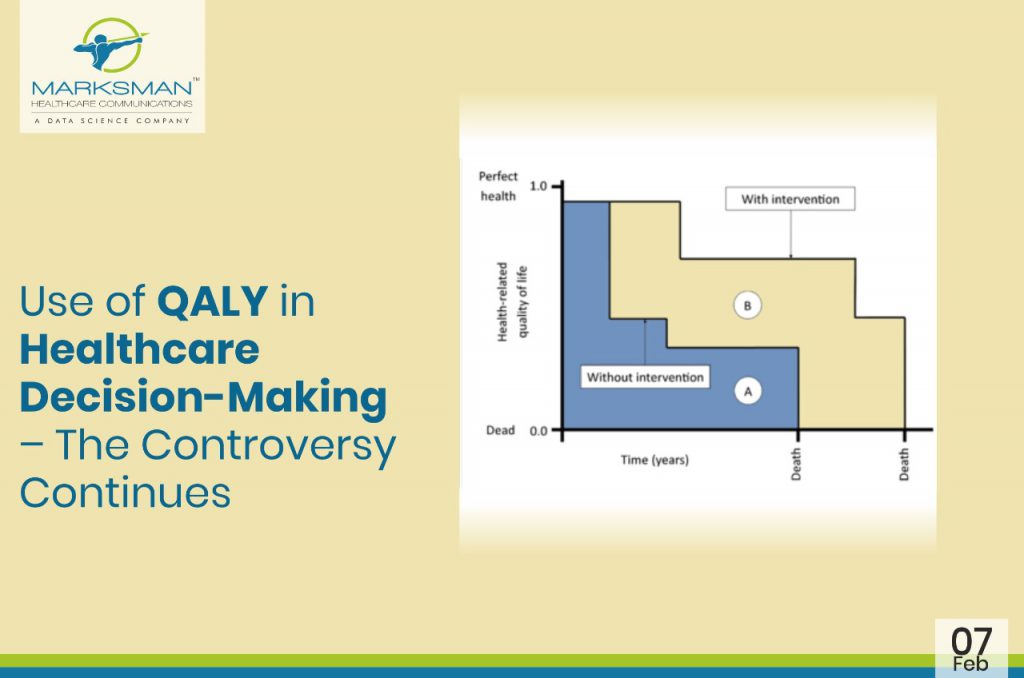
    In many parts of the world, the value of medicines is measured by a unit called ‘Quality-Adjusted Life Year’ (QALY), a metric that health economists and others use to quantify the health benefits generated by a particular treatment. QALYs are often used by state-run health systems in many countries to help decide which drugs to cover.

    QALYs measure the amount of time patients live after receiving a treatment, and the quality of their health. They provide a convenient yardstick for measuring and comparing health effects of varied interventions across diverse diseases and conditions. They represent the effects of a health intervention in terms of the gains or losses in time spent, in a series of “quality-weighted” health states. Some government-run health systems set rough caps on the amount, they are willing to pay per QALY.

    However, use of QALYs can be controversial, as some critics feel they amount to putting a price on life. Drug makers have been among the metric’s biggest critics and a few even opine that there are well-documented disadvantages of using QALYs to assess the value of a therapy. The 2010 Affordable Care Act explicitly bans the government from using a cost-per-QALY yardstick, or any similar measure, “as a threshold to determine coverage” under Medicare, a provision for which the pharmaceutical industry lobbies. Spain is the latest addition to the list, after Germany and USA, banning the use of QALY in healthcare decision making, after considering that this approach methodologically and ethically lacks robustness.

    The 2010 Patient Protection and Affordable Care Act (ACA) created a Patient-Centered Outcomes Research Institute (PCORI) to conduct comparative-effectiveness research (CER) but prohibited this institute from developing or using cost-per-QALY thresholds. The ACA specifically forbids the use of cost per QALY “as a threshold.” The precise intent and consequences of this language are unclear. One might interpret it to mean that the PCORI, or its contractors or grantees, can still calculate cost-per-QALY ratios as long as they are not compared with a threshold (e.g., $100,000 per QALY) or used to make a recommendation based on such a threshold. Comparisons of cost-per-QALY ratios across interventions could still be useful to decision makers even without the invocation of an explicit threshold. However, the ACA suggests a broader ban on the use of cost-utility analyses, which could eventually have a chilling effect on the field.

    When asked how they would like to allocate society’s health resources, researchers tend not to favor QALY “optimization” strategies. Instead, they tend to believe that equally ill people should have the same right to treatment, regardless of whether the treatment effect (that is, the QALY gain) is large. Moreover, QALYs do not distinguish the aggregation of modest benefits to large numbers of people from a substantial benefit going to a few people. QALYs might not adequately capture preferences about the amount of time experienced in a health state, or the order in which health states are experienced.

    Alternatives metrics to QALYs have been suggested, although all have limitations. Healthy-year equivalents (which measure preferences for life health profiles rather than discrete states) have been proposed, but their feasibility has been questioned, and the metric has not gained traction. Many health economists favor willingness-to-pay (WTP) metrics that involve asking people directly what they would be willing to pay for health improvements. However, such metrics require assigning monetary value to health benefits, which others find objectionable.

    Finally, analysts could simply calculate separately the costs and health consequences of different strategies (sometimes called “cost-consequences analyses”) and leave decision makers to decide if any particular treatment is “worth it.” However, the method would sidestep explicit discussions about value and provides no guidance for allocating resources fairly or efficiently across treatments. A number of government health authorities, including those in Australia, the United Kingdom, and Canada, have incorporated cost-effectiveness considerations explicitly into coverage and pricing decisions about drugs and other technologies. Although few currently require QALYs in economic evaluations, there is a clear preference for them in these and other countries. Hence, the flexible use of QALYs could be beneficial.

    Become a Certified HEOR Professional – Enrol yourself here!