• Generalized Cost-Effectiveness Analysis for Enhanced Healthcare Decision-Making

    Generalized Cost-Effectiveness Analysis for Enhanced Healthcare Decision-Making
    Generalized Cost-Effectiveness Analysis for Enhanced Healthcare Decision-Making

    In the intricate landscape of healthcare decision-making, the importance of evaluating cost-effectiveness cannot be overstated. This assessment helps determine the best use of resources, ensuring that health interventions provide maximum value for money. Traditional Cost-Effectiveness Analysis (CEA) has long been a cornerstone in health economics, providing insights into which interventions offer the most health benefits per unit of cost. However, this approach is often limited by its reliance on existing data and specific settings, making it challenging to apply universally across different health systems and economic contexts. Additionally, methodological differences between studies, the inability to assess the current mix of interventions, and the assumption that current resource allocation is efficient pose significant challenges.[1,2]

    Generalized Cost-Effectiveness Analysis (GCEA), developed under the WHO’s CHOosing Interventions that are Cost-Effective (CHOICE) project, addresses these limitations by providing a more comprehensive, adaptable framework. GCEA evaluates interventions against a generalized comparator, often the null scenario, where no intervention is implemented. This “null” scenario removes the impacts of all currently implemented interventions to provide a baseline for comparison. This approach allows for a broader assessment of the relative cost-effectiveness of various health interventions, even in settings where detailed data might be lacking. Unlike traditional CEA, which tends to focus on comparing new interventions directly to existing alternatives, GCEA uses a standardized framework that facilitates a more universal application across diverse healthcare systems.[3]

    One of the profound advantages of GCEA is its capability to guide healthcare decisions in a way that aligns with broader health system goals. For example, when evaluating interventions for chronic diseases, GCEA can incorporate a range of factors including long-term health outcomes, indirect costs, and system-level impacts. This comprehensive perspective ensures that health investments are aligned with strategic priorities such as equity, sustainability, and overall system efficiency. By taking into account indirect costs and long-term effects, GCEA provides a more nuanced understanding of an intervention’s value, making it a critical tool for strategic health planning. Costs should be estimated from the health care sector perspective and society’s perspective.[4]

    Moreover, GCEA offers cross-country comparability. By standardizing the analytical framework and using a generalized comparator, GCEA enables policymakers to make more informed decisions based on globally comparable data. This is particularly valuable for low- and middle-income countries, where local data might be sparse, and decisions must be made with consideration of global evidence. GCEA facilitates a more consistent approach to evaluating health interventions, thereby supporting international efforts to harmonize health economic evaluations and promote best practices in resource allocation.[5]

    The application of GCEA in real-world scenarios underscores its value. In the context of infectious diseases like malaria, GCEA has been employed to evaluate the cost-effectiveness of various prevention and treatment strategies, including vaccines, antimalarial drugs, and vector control measures. This has provided critical insights for policymakers in regions with high disease burdens, enabling more informed and effective resource allocation decisions. For instance, in several African countries, GCEA findings have directly influenced the adoption of insecticide-treated bed nets and indoor residual spraying as key malaria control strategies. The evidence provided by GCEA demonstrated that these interventions offered a high return on investment in terms of lives saved and disease burden reduced, leading to increased funding and widespread implementation of these programs. Furthermore, GCEA has informed the development of national malaria treatment guidelines, favoring artemisinin-based combination therapies (ACTs) due to their superior cost-effectiveness compared to older, less effective treatments. Similarly, GCEA’s methodology has proven effective in addressing the complexities of global health challenges, offering a robust framework for evaluating interventions in diverse epidemiological settings.[5,6]

    Additionally, GCEA is increasingly relevant in assessing innovative and emerging healthcare interventions, such as novel therapies or digital health solutions. For instance, in pharmacoeconomics, GCEA can be used to evaluate new drug pricing models, considering not just the direct costs and clinical benefits, but also broader economic impacts and value elements that traditional CEA might overlook. This makes GCEA an essential tool in the evolving landscape of healthcare technology, where rapid advancements require flexible yet rigorous evaluation methods. [4]

    As healthcare systems worldwide strive to achieve Universal Health Coverage (UHC), GCEA’s role becomes increasingly significant. By providing a transparent, evidence-based framework for evaluating the cost-effectiveness of health interventions, GCEA supports the goal of maximizing health benefits within available resources, ultimately contributing to more equitable and efficient health systems. The alignment of GCEA with UHC objectives underscores its potential to drive systemic improvements in healthcare delivery and resource utilization.[3]

    However, the implementation of GCEA is not without its challenges. The methodology often requires complex data inputs, and there can be uncertainty in calculating both costs and outcomes, especially when projecting long-term impacts. Additionally, the generalizability of results can be limited by differences in local contexts, healthcare systems, and epidemiological profiles. Careful consideration of these factors is essential to ensure that GCEA provides meaningful and reliable guidance for healthcare decision-making.[3,4]

    In conclusion, GCEA represents a significant advancement in health economic evaluation. Its ability to provide a flexible, comprehensive, and globally applicable framework makes it an invaluable tool for guiding healthcare investments. As health systems worldwide strive to achieve more with limited resources, GCEA offers a robust methodology to maximize health outcomes and enhance decision-making, ensuring that every investment in health delivers the highest possible value. By embracing GCEA, policymakers and health professionals can better navigate the complexities of healthcare economics, making well-informed decisions that benefit populations on a global scale.

    Become A Certified HEOR Professional – Enrol yourself here!

    References:

    1. Thomas R, Chalkidou K. Cost–effectiveness analysis. InHealth system efficiency: How to make measurement matter for policy and management. 2016. European Observatory on Health Systems and Policies.
    2. Generalised cost-effectiveness analysis (GCEA). OECD Public Health Explorer. Available from: http://oecdpublichealthexplorer.org/ncd-doc/GCEA/head.html.
    3. Generalized Cost-Effectiveness Analysis. World Health Organisation. Available from: https://www.who.int/teams/health-financing-and-economics/economic-analysis/health-technology-assessment-and-benefit-package-design/generalized-cost-effectiveness-analysis.
    4. Padula WV, Kolchinsky P. Can Generalized Cost-effectiveness Analysis Leverage Meaningful Use of Novel Value Elements in Pharmacoeconomics to Inform Medicare Drug Price Negotiation?. Value in Health. 2024 Apr 26.
    5. Hutubessy RC, Baltussen RM, Torres-Edejer TT, Evans DB. Generalised cost-effectiveness analysis: an aid to decision making in health. Applied Health Economics and Health Policy. 2002 Jan 1;1(2):89-95.
    6. Morel CM, Lauer JA, Evans DB. Cost effectiveness analysis of strategies to combat malaria in developing countries. Bmj. 2005 Dec 1;331(7528):1299.

  • Advancing Health Equity through Health Economics and Outcomes Research

    Advancing Health Equity through Health Economics and Outcomes Research

    In a world where access to healthcare should be a universal right, the persistent disparities in health outcomes starkly remind us that health equity remains an elusive goal. Health equity is defined as the absence of unfair and avoidable differences in health among population groups defined socially, economically, demographically, or geographically. This concept underscores the need to ensure that every individual has a fair opportunity to achieve their highest possible level of health, unimpeded by systemic barriers or socioeconomic disadvantages.[1]

    Health Economics and Outcomes Research (HEOR) examines the cost-effectiveness, value, and real-world outcomes of healthcare interventions, enabling data-driven resource allocation. HEOR is pivotal in advancing health equity by analyzing the economic and clinical outcomes of healthcare interventions. HEOR evaluates the value of medical treatments and services, providing data-driven insights that inform decisions about the allocation of healthcare resources. By intertwining health equity with health economics, HEOR helps identify which interventions deliver the most significant benefits across diverse populations, guiding efforts to reduce disparities and improve overall health outcomes.[2]

    The COVID-19 pandemic showed how social determinants of health, such as income, occupation, and access to technology, impact health equity. Higher-income individuals often had the advantage of working from home, reducing their exposure to the virus and benefiting from better internet connectivity, which enabled access to virtual healthcare. In contrast, essential workers in lower-paying jobs faced greater exposure and limited healthcare access, leading to worse outcomes. These disparities highlight the urgent need to reevaluate healthcare practices and structures to address inequities effectively.[3-5]

    HEOR plays a critical role in this re-evaluation by incorporating cost-effectiveness analysis (CEA) to determine which healthcare interventions provide the most value. CEA can also include equity-weighted analyses that prioritize interventions benefitting disadvantaged populations. CEA compares the costs and outcomes of various strategies, enabling policymakers to allocate resources efficiently, especially in settings with limited healthcare budgets. For example, analyzing cancer screening programs’ cost-effectiveness can identify the most beneficial approach for underserved communities, ensuring that resources are directed where they can achieve the greatest impact.[6]

    Furthermore, HEOR’s focus on real-world evidence (RWE) extends beyond controlled clinical trials to understand how treatments perform in everyday practice. This evidence is essential for addressing health disparities, as it reflects the diverse experiences of different patient populations. For instance, RWE during the pandemic showed how vaccine hesitancy and limited access impacted vaccination rates in underserved communities, guiding targeted outreach campaigns. Studies might show that a particular medication is less effective in certain ethnic groups due to genetic variations or disparities in healthcare access, prompting the development of tailored strategies to improve outcomes for these groups.[7]

    Patient-reported outcomes (PROs) and electronic PROs (ePROs) are vital components of HEOR that enhance health equity by capturing patients’ perspectives on their health status, quality of life, and treatment satisfaction. Incorporating PROs and ePROs ensures that the voices of all patients, including those from marginalized groups, are considered in healthcare decision-making. This approach helps uncover specific challenges faced by different populations and informs the design of more inclusive and effective interventions.[8]

    HEOR also influences policy decisions by providing evidence on the broader social determinants of health, such as education, housing, and employment. Highlighting the impact of these factors on health outcomes allows HEOR to advocate for integrated policies that address these root causes of inequity. For instance, research showing that stable housing reduces emergency room visits has prompted healthcare systems to invest in housing assistance programs. In addition, research might demonstrate that improving access to quality education and stable housing can lead to better health outcomes and reduced healthcare costs, supporting the case for holistic approaches that combine social and health policies.[5]

    The pharmaceutical industry benefits significantly from integrating health equity into HEOR. By including diverse populations in clinical trials and subsequent research, companies can develop treatments that are effective across different demographic groups. Failing to include diverse populations can lead to treatments that are less effective or even harmful for certain groups, underscoring the importance of inclusive research practices. This approach not only improves health outcomes but also enhances market access and ensures compliance with regulatory requirements focused on diversity and inclusion.[7]

    In conclusion, advancing health equity through HEOR is both a moral imperative and a strategic necessity for optimizing healthcare delivery and outcomes. By embedding equity considerations into economic evaluations, RWE, PROs, and policy research, HEOR can guide the development of more inclusive healthcare strategies. This comprehensive approach ensures that all individuals, irrespective of their background, have access to the care they need to lead healthy and fulfilling lives. Moving forward, it is essential for all healthcare stakeholders to prioritize health equity in their research and decision-making processes, paving the way for a fairer and healthier future for all.

    Become A Certified HEOR Professional – Enrol yourself here!

    References:

    1. Health equity. World Health Organisation. Available from: https://www.who.int/health-topics/health-equity#tab=tab_1
    2. Fautrel B. SP0124 Health economics and health equity: two complementary disciplines.2017;76:31.
    3. Closing the Gap in a Generation: Health Equity Through Action on the Social Determinants of Health. Final Report of the Commission on Social Determinants of Health. World Health Organization; 2008:1 -256. Available from: https://apps.who.int/iris/bitstream/handle/10665/43943/9789241563703_eng.pdf;jsessionid=365271ACE2052888542881700EEDCA8B?sequence=1.
    4. Burström B, Tao W. Social determinants of health and inequalities in COVID-19. European journal of public health. 2020 Aug 1;30(4):617-8.
    5. Thomas R, Chalkidou K. Cost–effectiveness analysis. InHealth system efficiency: How to make measurement matter for policy and management. 2016. European Observatory on Health Systems and Policies.
    6. Fendrick AM, ISPOR. Real-World Evidence: Additional Tool to Support Clinical Decision Making. Available from: https://www.ispor.org/docs/default-source/strategic-initiatives/ispor-rwe-byline-article_10-25-21.pdf?sfvrsn=687e4bc8_0
    7. Rosenberg SS, Carson BB, Kang A, Lee TH, Pandey R, Rizzo EJ. The Impact of Digital Health Technologies on Health Equity: Designing Research to Capture Patient-Reported Outcomes. ISPOR value & outcomes spotlight. Available from: https://www.ispor.org/publications/journals/value-outcomes-spotlight/vos-archives/issue/view/addressing-assessment-and-access-issues-for-rare-diseases/the-impact-of-digital-health-technologies-on-health-equity-designing-research-to-capture-patient-reported-outcomes.

  • Enhancing Credibility in Real-World Evidence Generation through SPACE and SPIFD Frameworks

    Enhancing Credibility in Real-World Evidence Generation through SPACE and SPIFD Frameworks
    Enhancing Credibility in Real-World Evidence Generation through SPACE and SPIFD Frameworks

    Over time, real-world evidence (RWE) has transitioned from a supplementary tool to a key driver in healthcare decision-making, bridging the gap between clinical trials and real-world practice. Recognized by regulatory bodies like the FDA, EMA, NICE, and CADTH, RWE offers insights into intervention effectiveness and safety across diverse populations. However, challenges persist, including credibility concerns highlighted by flawed COVID-19 studies, emphasizing the need for transparent, relevant data selection. To address this, frameworks like SPACE and SPIFD provide structured methodologies to enhance the design, data selection, and credibility of RWE.[1,2]

    Since 2021, regulatory and HTA bodies have published new or updated guidelines, necessitating rationalization and transparency of real-world study design and data source selection to ensure fitness-for-purpose in addressing specific research questions. Researchers have, therefore, been exploring tools to meet these standards. Among them is the Structured Preapproval and Postapproval Comparative Study Design Framework to Generate Valid and Transparent Real-World Evidence (SPACE) tool, introduced in 2019.[3,4]

    This SPACE framework provides a step-by-step process for identifying elements of real-world study design, minimal criteria to ensure feasibility and validity of data, and documentation of study design decisions, including the planned analysis. This structured approach significantly mitigates bias in research by ensuring that every aspect of the study design is systematically planned and documented, thereby supporting the initial steps in study design to identify suitable data or draft protocol documents.[3,5]

    The SPACE framework consists of several key steps that guide researchers through designing credible real-world studies. The first step involves formulating a clear research question that focuses on addressing specific healthcare needs. This is followed by identifying relevant study designs that align with the research question to ensure valid comparisons. Next, researchers assess the feasibility and validity of data sources by evaluating whether they can provide reliable information for answering the research question. Finally, all decision-making processes are documented comprehensively to enhance transparency and reproducibility throughout the study design process.

    In 2021, the Structured Process to Identify Fit-for-Purpose Data (SPIFD) was introduced as an extension to the SPACE framework. SPIFD offers a comprehensive, step-by-step process for conducting and documenting systematic data feasibility assessments to ensure data fitness for the research question. By thoroughly assessing the data sources, SPIFD enhances transparency and validity in data selection, crucially reducing bias by ensuring that only the most suitable data sources are used. Together, SPACE and SPIFD frameworks facilitate valid and transparent real-world comparative study design, planned analysis, and data selection, meeting the stringent standards required by regulators, HTAs, and payers.[6]

    The SPIFD framework also follows a structured methodology with specific steps to ensure appropriate data selection for RWE studies. First, researchers conduct systematic assessments of potential data sources to evaluate their suitability for addressing the research question. They then evaluate these sources for relevance, quality, and completeness to ensure they meet necessary standards for generating credible evidence. Finally, alignment with regulatory requirements is ensured so that selected datasets comply with applicable guidelines from regulatory bodies like FDA or EMA.[3,5]

    One of the most significant roles of the SPACE framework in generating credible RWE data is its focus on minimizing bias through meticulous study design. Adopting a target trial approach allows researchers to simulate the conditions of a randomized controlled trial (RCT) in the context of real-world setting. This practice ensures that the selected study design closely replicates the ideal experimental conditions, and helps to identify and address potential sources of bias at early stages of a study design process. Thus, enhancing the validity of results and making the evidence more reliable for decision-making.[4]

    Furthermore, the framework of SPIFD places immense emphasis on systematic assessment of data feasibility. This means that only data fit for the intended purpose shall be used for studies of real-world settings. SPIFD also aids researchers in selecting the most relevant datasets for their studies, by rigorously evaluating candidate data sources for their relevance, quality, and completeness. This thorough vetting process not only enhances transparency in the selection of data but also ensures that the resulting evidence is strong and credible. This alignment with stringent regulatory and HTA standards fosters greater confidence in the use of RWE for critical healthcare decisions.[6]

    To evaluate the effectiveness of studies designed using these frameworks, researchers can rely on several key metrics. For example, tracking the “percentage of relevant data sources identified” during feasibility assessments provides insights into how effectively suitable datasets were pinpointed. Similarly, monitoring the “number of potential biases mitigated” during study design helps gauge how well frameworks like SPACE address methodological challenges early on. These metrics provide tangible measures of success when applying these frameworks to RWE studies while ensuring alignment with regulatory expectations.[6]

    In 2023, the introduction of SPIFD2 marked a significant advancement by consolidating both the design and data aspects of the original SPACE and SPIFD templates. SPIFD2 ensures that users specify the correct real-world data (RWD) study design before assessing the feasibility of candidate data sources. This comprehensive framework captures potential sources of bias that may arise in the real-world emulation of the target trial, providing a robust mechanism for enhancing the credibility of RWE. By addressing both study design and data assessment in a unified framework, SPIFD2 offers a holistic approach to mitigate bias and improve the reliability of real-world studies.[3]

    In conclusion, the SPACE and SPIFD frameworks represent pivotal advancements in the field of real-world evidence generation, offering structured methodologies to tackle the complexities and challenges inherent in RWE studies. Where SPACE facilitates rigorous study design by adopting a target trial approach, the SPIFD framework ensures the selection of fit-for-purpose data through systematic assessment. By guiding study design and data source selection, these frameworks ensure that RWE studies are rigorous, transparent, and aligned with regulatory and HTA standards. The introduction of SPIFD2 in 2023 further enhances these frameworks, aligning them with evolving regulatory and HTA requirements. This unified approach improves the reliability and relevance of RWE, empowering informed healthcare decisions and advancing patient outcomes.

    Become A Certified HEOR Professional – Enrol yourself here!

    References:

    1. White R. Building trust in real world evidence (RWE): moving transparency in RWE towards the randomized controlled trial standard. Current Medical Research and Opinion. 2023 Dec 2;39(12):1737-41.
    2. Winterstein AG, Ehrenstein V, Brown JS, Stürmer T, Smith MY. A road map for peer review of real-world evidence studies on safety and effectiveness of treatments. Diabetes Care. 2023 Aug 1;46(8):1448-54.
    3. Gatto NM, Vititoe SE, Rubinstein E, Reynolds RF, Campbell UB. A structured process to identify fit‐for‐purpose study design and data to generate valid and transparent real‐world evidence for regulatory uses. Clinical Pharmacology & Therapeutics. 2023 Jun;113(6):1235-9.
    4. Gatto NM, Reynolds RF, Campbell UB. A structured preapproval and postapproval comparative study design framework to generate valid and transparent real‐world evidence for regulatory decisions. Clinical Pharmacology & Therapeutics. 2019 Jul;106(1):103-15.
    5. Hernán MA, Robins JM. Using big data to emulate a target trial when a randomized trial is not available. American journal of epidemiology. 2016 Apr 15;183(8):758-64.
    6. Gatto NM, Campbell UB, Rubinstein E, Jaksa A, Mattox P, Mo J, Reynolds RF. The structured process to identify fit‐for‐purpose data: a data feasibility assessment framework. Clinical Pharmacology & Therapeutics. 2022 Jan;111(1):122-34.
  • Exploring Patient Registries: Managing Market Access With Real World Evidence

    Exploring Patient Registries: Managing Market Access With Real World Evidence
    Exploring Patient Registries Managing Market Access With Real World Evidence

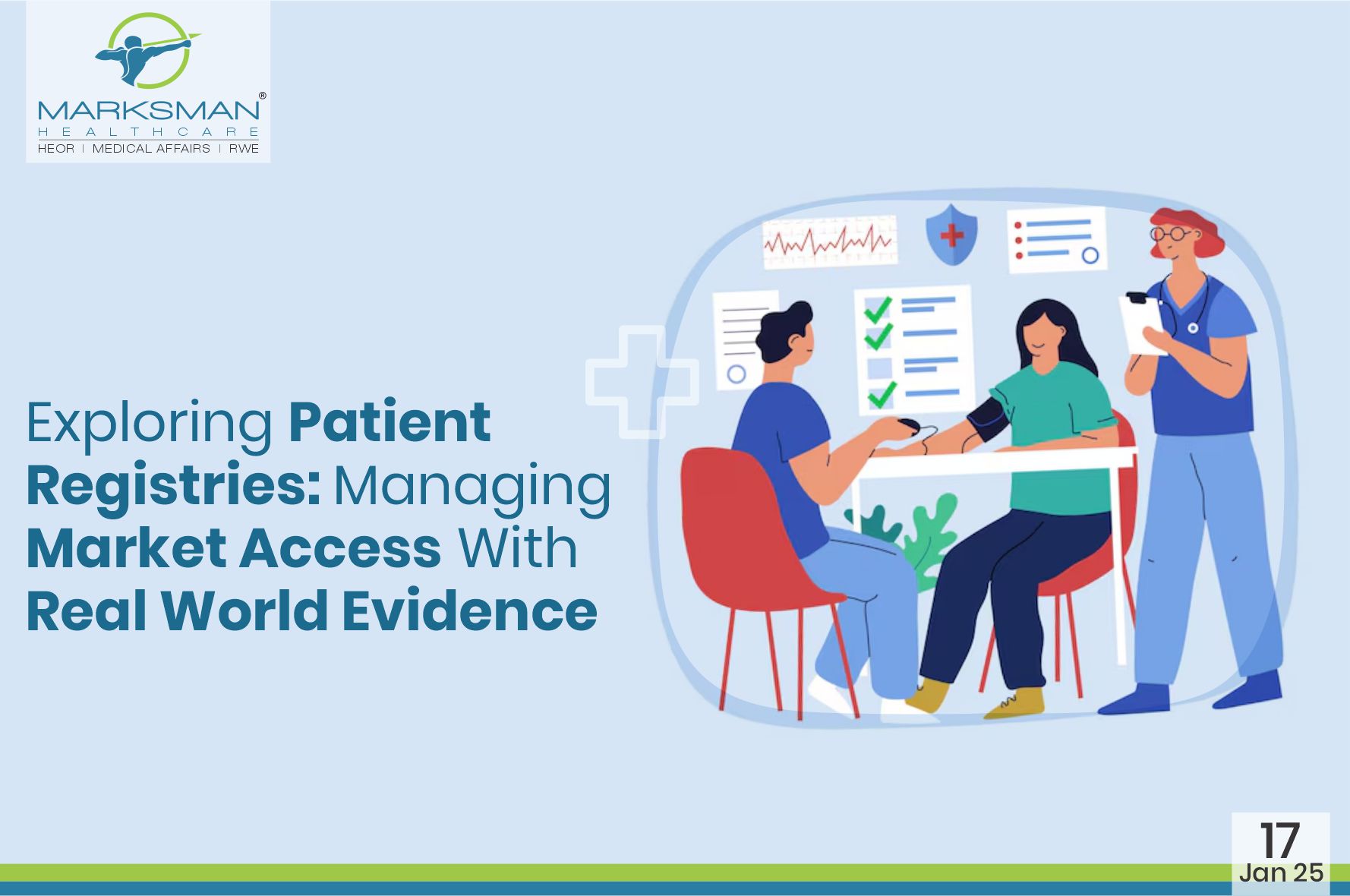
    In the increasingly data-driven world of healthcare, patient registries have emerged as powerful tools for managing market access through the application of real-world evidence (RWE). These registries, essentially databases that collect information about patients’ demographics, clinical history, treatment outcomes, and other pertinent details, provide a treasure trove of insights that can bridge the gap between clinical trials and everyday medical practice. The use of patient registries in gathering RWE is transforming how pharmaceutical companies, healthcare providers, and policymakers evaluate and manage the accessibility and effectiveness of medical treatments and interventions.[1]

    Patient registries provide a comprehensive view of how treatments perform outside the controlled environment of clinical trials. Clinical trials, while essential for establishing the efficacy and safety of new therapies, often have limitations, such as restrictive inclusion criteria and relatively short follow-up periods. In contrast, patient registries encompass a broader patient population, including those with comorbidities and varying adherence levels, thus reflecting real-world scenarios more accurately. This inclusivity makes registries a valuable source of RWE, which is increasingly recognized by regulatory agencies and payers as critical for assessing the long-term value and impact of medical interventions. Regulators also view the use of registries as a key tool for generating RWE, supporting decision-making processes across areas such as post-market surveillance, submissions for regulatory approval, and health technology assessments (HTAs).[1]

    One of the primary benefits of utilizing patient registries is the ability to generate evidence on long-term safety and effectiveness of treatments. This ongoing evidence collection improves patient trust in the intervention, thereby increasing patient access. For instance, post-marketing surveillance through patient registries can uncover adverse effects or benefits that may not be apparent during pre-approval clinical trials. This continuous monitoring helps in ensuring that the treatments remain safe and effective once they are in widespread use, supporting regulatory decisions and guiding clinical practice. Consequently, this fosters greater confidence and willingness among patients to adopt new treatments, enhancing their accessibility and uptake in the general population.[2]

    Patient registries also play a pivotal role in market access by demonstrating the value of new treatments to payers and health technology assessment (HTA) bodies. The data derived from these registries can support health economic evaluations, such as cost-effectiveness and budget impact analyses, which are essential for reimbursement decisions. By providing robust evidence on the real-world effectiveness and safety of treatments, registries help build a compelling case for their adoption and coverage. This is particularly important in an era where healthcare budgets are constrained, and there is increasing scrutiny over the allocation of resources.[3]

    Despite their benefits, patient registries face challenges that must be acknowledged to provide a balanced perspective. Issues such as data quality inconsistencies, difficulties in patient recruitment, and regulatory hurdles can hinder their utility. For example, inconsistent data collection processes may impact the reliability of insights, and recruitment barriers can limit the diversity of patient populations within registries. Addressing these challenges requires standardizing methodologies, fostering collaboration among stakeholders, and ensuring compliance with evolving regulatory frameworks. Additionally, emerging trends such as the integration of digital health technologies and artificial intelligence (AI) are redefining the capabilities of patient registries. AI, for instance, can analyze large-scale registry data to identify patterns, predict treatment outcomes, and optimize resource allocation, enhancing the potential of RWE to inform decision-making.[4]

    Collaboration among stakeholders is critical for the success of patient registry initiatives. Engaging a diverse group of participants, including patients, healthcare providers, researchers, and industry partners, ensures that registries are comprehensive and relevant. Leveraging technologies such as electronic health records (EHRs) and mobile health applications can streamline data collection, improve accuracy, and enhance data utility. These collaborative and technological advancements position registries as powerful tools for addressing unmet medical needs, optimizing healthcare delivery, and achieving equitable access to treatments.[4,5]

    In conclusion, patient registries stand as pillars in the contemporary healthcare landscape, offering a bridge between clinical trials and real-world practice. Their role in managing market access through the application of RWE is indispensable, shaping how pharmaceuticals are evaluated, accessed, and integrated into healthcare systems. With their ability to capture the intricacies of patient experiences over time, these registries empower stakeholders to make informed decisions, driving advancements in healthcare delivery and ensuring that groundbreaking therapies reach those in need. By addressing challenges, embracing innovation, and fostering collaboration, patient registries will continue to play a transformative role in optimizing patient care and healthcare resource utilization.

    Become A Certified HEOR Professional – Enrol yourself here!

    References:

    1. Trotter JP. Patient registries: a new gold standard for “real world” research. Ochsner Journal. 2002 Sep 21;4(4):211-4.
    2. Reid CM. The role of clinical registries in monitoring drug safety and efficacy. Heart, Lung and Circulation. 2015 Nov 1;24(11):1049-52.
    3. Blommestein HM, Franken MG, Uyl-de Groot CA. A practical guide for using registry data to inform decisions about the cost effectiveness of new cancer drugs: lessons learned from the PHAROS registry. Pharmacoeconomics. 2015 Jun;33:551-60.
    4. Gliklich RE, Dreyer NA, Leavy MB. Patient registries. InRegistries for Evaluating Patient Outcomes: A User’s Guide [Internet]. 3rd edition 2014 Apr. Agency for Healthcare Research and Quality (US).
    5. Daugherty SE, Lee SB, Nowell B, Peay H, Solomon D, Valbrun TG, Velentgas P, Whicher D. The increasing focus on the patient in patient registries. In21st Century Patient Registries: Registries for Evaluating Patient Outcomes: A User’s Guide: 3rd Edition, Addendum 2018 Mar. Agency for Healthcare Research and Quality (US).
  • Navigating Complexity in Meta-Analysis: How the DECiMAL Guide Makes a Difference

    Navigating Complexity in Meta-Analysis: How the DECiMAL Guide Makes a Difference

    Meta-analysis is a cornerstone of evidence-based research, offering a systematic approach to combine and synthesize data from multiple studies. However, as research questions become more nuanced and datasets more diverse, the complexity of meta-analyses increases significantly. This is where the Data Extraction for Complex Meta-Analysis (DECiMAL) guide comes into play, providing a structured framework to navigate these complexities.[1]

    Extracting data for meta-analysis can be a complex task, especially when dealing with diverse study designs, outcomes, and data formats. Traditional data extraction methods may not be sufficient to handle the complexities of modern research, leading to potential biases and inconsistencies in the analysis. The DECiMAL guide addresses these challenges by offering a detailed methodology for data extraction, ensuring all relevant information is captured and analyzed consistently. This promotes standardization, reduces bias, and enhances transparency in the meta-analysis process, ultimately leading to more reliable and informative results. DECiMAL covers a wide range of data types, including continuous, binary, and time-to-event outcomes, as well as more complex data structures, such as multiple treatment arms and correlated outcomes. By addressing these complexities, DECiMAL helps researchers conduct rigorous and reproducible meta-analyses.[1-3]

    The DECiMAL guide comprises several core components designed to tackle the complexities of meta-analyses. First, it stresses the importance of a clearly defined research question, utilizing the Population, Intervention, Comparison, and Outcome (PICO) criteria to guide the data extraction process. A comprehensive literature search is essential, and DECiMAL advocates for a systematic approach across various databases to capture all relevant studies while minimizing publication bias, with meticulous documentation of the search strategy. The guide’s detailed data extraction template captures a broad range of data points, ensuring consistency and completeness. Addressing heterogeneity is another key aspect, with DECiMAL offering guidance on statistical methods like subgroup analyses and meta-regression to understand variability between studies. For data synthesis and analysis, DECiMAL provides best practices, including the use of fixed-effect and random-effects models and a multivariate approach for diagnostic accuracy studies. It also emphasizes the assessment of bias using standardized tools and advocates for transparent reporting according to guidelines, such as PRISMA, which supports replication and enhances research credibility.[4]

    The DECiMAL guide provides a detailed methodology for extracting various types of data for meta-analysis. For time-to-event data, such as cancer recurrence, hazard ratios and their uncertainties should be collected, and it should be noted if Kaplan-Meier plots or life tables are reported. For rate data, like migraine episode frequency, the total number of person-years at risk should be collected. If this information is not available, the average length of follow-up and the total number of patients at study end can be used to approximate person-years. Binary and categorical variables should use numerical coding for responses and additional coding for other responses, while both numbers of patients randomized and those completing the trial should be extracted. Continuous and ordinal variables should be consistently reported in chosen units, with both final values and changes from the baseline being combined if baselines are equal. The guide ensures comprehensive data collection and helps identify and address potential issues early on, enhancing the consistency and accuracy of complex meta-analyses.[4]

    While DECiMAL provides a comprehensive framework for data extraction, it has certain limitations. For instance, it does not delve into specific statistical techniques for handling missing data or converting summary statistics. Additionally, while DECiMAL is primarily designed for aggregate data meta-analyses, it may not be directly applicable to individual patient data meta-analyses. The guide primarily addresses considerations related to data extraction for subsequent meta-analyses but provides limited information on the practical and technical aspects of data extraction itself. Furthermore, DECiMAL is designed specifically for data extraction in aggregate data meta-analyses, and its methods do not apply to individual patient data meta-analyses.[4]

    The DECiMAL guide marks significant progress in meta-analysis, especially for handling complex datasets. By standardizing data extraction, addressing heterogeneity, and enhancing transparency, DECiMAL ensures that meta-analytical results are robust and reliable. With the increasing volume and complexity of research data, adopting comprehensive tools like DECiMAL will be essential for preserving the integrity and effectiveness of meta-analyses. For researchers undertaking complex meta-analyses, DECiMAL provides a structured approach to navigating the challenges of data extraction and analysis. Following its guidelines can improve the quality and impact of research findings, offering valuable contributions to the scientific community.

    Become A Certified HEOR Professional – Enrol yourself here!

    References:

    1. Brown SA, Upchurch SL, Acton GJ. A framework for developing a coding scheme for meta-analysis. West J of Nurs Res. 2003;25:205–22.
    2. Centre for Evidence-Based Medicine. Data Extraction Tips: Meta-Analysis [Internet]. Oxford: University of Oxford. 2023; Available from: https://www.cebm.ox.ac.uk/resources/data-extraction-tips-meta-analysis.
    3. Effective Practice and Organisation of Care (EPOC). Data collection form. EPOC Resources for review authors. Norwegian Knowledge Centre for the Health Services. 2013;Available from: http://epoc.cochrane.org/epoc-specific-resources-review-authors.
    4. Pedder H, Sarri G, Keeney E, Nunes V, Dias S. Data extraction for complex meta-analysis (DECiMAL) guide. Syst Rev. 2016 Dec 13;5(1):212. 5. Afifi M, Stryhn H, Sanchez J. Data extraction and comparison for complex systematic reviews: a step-by-step guideline and an implementation example using open-source software. Syst Rev. 2023 Dec 1;12(1):226.

  • Outcomes Research and Real-World Evidence for Women’s Health

    Outcomes Research and Real-World Evidence for Women’s Health

    Within the broader spectrum of healthcare, women represent a significant and distinct demographic with unique health needs and outcomes, underscoring the importance of focused research in this domain. The realm of women’s health research is vast and vital, addressing conditions and diseases that predominantly or exclusively affect women, such as reproductive health issues, breast and cervical cancers, and osteoporosis. Women’s health research also sheds light on how common conditions like cardiovascular diseases and autoimmune disorders present and progress differently in women compared to men. Another compelling reason to prioritize women’s health research is the significant physiological and hormonal distinctions between women and men, which can profoundly influence disease manifestation, progression, and treatment response. For example, cardiovascular disease, the leading cause of death among women globally, often exhibits atypical symptoms in women, such as fatigue and shortness of breath, rather than the classic chest pain.[1]

    However, traditional research methods often overlook these gender differences. For instance, randomized controlled trials (RCTs) often exclude pregnant women: even though such an exclusion is justified from the foetal viewpoint, such exclusions bring in inadequacy in women’s health research. Such inadequacies highlight the necessity for gathering research insights from real-world data (RWD), thereby complementing evidence from controlled settings. Thus, outcomes research and real-world evidence (RWE) becomes an important source of research information for women’s health.[2]

    Outcomes research and RWE play a pivotal role in addressing health disparities among women, particularly in maternal care. Preapproval clinical trials typically exclude pregnant women, necessitating reliance on post-approval controlled observational studies to gather evidence on pregnancy safety essential for drug labels. Regulatory agencies increasingly recommend complementing pregnancy registries and case-control studies with pregnancy cohorts nested within healthcare utilization databases, such as national registries, electronic medical records (e.g., Clinical Practice Research Datalink), and insurance claims. The utilization of RWE has uncovered significant disparities in maternal health outcomes, fostering health equity and improving overall outcomes for women.[3-7]

    In cancer care, RWE has been instrumental in advancing treatment strategies for women. Breast cancer, the most common cancer among women, has benefited significantly from real-world studies. RWE has been known to support clinical guidelines by providing data on specific subgroups of patients not well-represented in RCTs. For example, in early-relapsing HER2+ advanced breast cancer, RWE has provided valuable insights into treatment outcomes, helping to guide clinical decision-making and refine treatment protocols. Subsequently, RWE and outcomes research have facilitated a deeper understanding of the real-world efficacy of hormone therapies and the impact of different chemotherapy regimens on diverse patient populations. This has led to more personalized treatment plans that consider the unique needs of each patient, fostering improved communication between physicians and patients and enhancing overall care and outcomes for women with breast cancer.[7-9]

    Another critical facet of women’s health research involves the inclusion of all age groups, from adolescence to post-menopause, each life stage presenting unique health challenges. RWE serves as a cornerstone in shaping interventions tailored to these diverse needs. For instance, a 2022 study revealed the influence of social media on the mental health of young girls, emphasizing the need for interventions promoting positive body image. Conversely, for older women, real-world data has yielded insights into treatment effectiveness and patient-reported outcomes, guiding healthcare strategies to address age-specific health concerns.[9-12]

    In conclusion, the outcomes research and RWE are indispensable for advancing women’s health. By illuminating the intricacies of disease presentation, treatment outcomes, and healthcare disparities, these methodologies empower healthcare practitioners to deliver more personalized, effective, and equitable care to women across diverse demographics and life stages. From addressing cardiovascular disease manifestations to improving maternal care and refining breast cancer treatment strategies, outcomes research and RWE play a pivotal role in ensuring that healthcare solutions are truly reflective of and responsive to the needs of all women, from adolescence to post-menopause. Through these approaches, we continue to break barriers, promote health equity, and enhance the quality of care for women worldwide.

    Become A Certified HEOR Professional – Enrol yourself here!

    References:

    1. Sherman RE, Anderson SA, Dal Pan GJ, et al. Real-world evidence—what is it and what can it tell us. 2016 Dec 8;375(23):2293-7.
    2. Siristatidis C, Karageorgiou V, Vogiatzi P. Current Issues on Research Conducted to Improve Women’s Health. Healthcare (Basel). 2021 Jan 17;9(1):92. doi: 10.3390/healthcare9010092.
    3. Why we know so little about women’s health. Available from: https://www.aamc.org/news/why-we-know-so-little-about-women-s-health.
    4. Heyrana K, Byers HM, Stratton P. Increasing the participation of pregnant women in clinical trials. Jama. 2018 Nov 27;320(20):2077-8.
    5. Gliklich RE, Dreyer NA, Leavy MB, editors. Registries for evaluating patient outcomes: a user’s guide.
    6. Food and Drug Administration. Guidance for industry: establishing pregnancy exposure registries. Washington, DC: US Department of Health and Human Services. Available from: https://www.fda.gov/media/75607
    7. Mitchell AA. Systematic identification of drugs that cause birth defects—a new opportunity. New England Journal of Medicine. 2003 Dec 25;349(26):2556-9.
    8. Huybrechts KF, Bateman BT, Hernández‐Díaz S. Use of real‐world evidence from healthcare utilization data to evaluate drug safety during pregnancy. Pharmacoepidemiology and drug safety. 2019 Jul;28(7):906-22.
    9. Schettini F, Conte B, Buono G, et al. T-DM1 versus pertuzumab, trastuzumab and a taxane as first-line therapy of early-relapsed HER2-positive metastatic breast cancer: an Italian multicenter observational study. ESMO open. 2021 Apr 1;6(2):100099.
    10. DuBenske LL, Schrager SB, Hitchcock ME, et alKey elements of mammography shared decision-making: a scoping review of the literature. Journal of General Internal Medicine. 2018 Oct;33:1805-14.
    11. Papageorgiou A, Fisher C, Cross D. Why don’t I look like her? How adolescent girls view social media and its connection to body image. BMC women’s health. 2022 Jun 27;22(1):261.
    12. Maruszczyk K, Aiyegbusi OL, Torlinska B, et al. Systematic review of guidance for the collection and use of patient-reported outcomes in real-world evidence generation to support regulation, reimbursement and health policy. Journal of Patient-Reported Outcomes. 2022 Jun 2;6(1):57.
  • The Importance of the ISPOR SUITABILITY Checklist in HTA Involving EHR Data

    The Importance of the ISPOR SUITABILITY Checklist in HTA Involving EHR Data

    Health Technology Assessment (HTA) plays a critical role in evaluating the value of medical interventions. With the increasing availability of Electronic Health Records (EHRs), the integration of real-world data (RWD) into HTA has become more prevalent. The adoption of EHR data into HTA offers significant opportunities to enhance various aspects of health and medicine, from evaluating medical products and technologies to improving healthcare delivery. As a rich source of RWD generated at the point of care or during daily activities, EHR systems provide detailed insights into patients’ health and care. EHR data have been utilized for clinically relevant research, such as monitoring quality of care and medication adherence, and developing clinical predictive models.[1]

    However, the use of EHR data in HTA presents unique challenges. Only a portion of EHR information is structured and ready for statistical analysis, with completeness and accuracy often compromised since EHRs are primarily collected for clinical or administrative purposes and not necessarily for research purposes. This affects the types, detail, and reliability of variables collected, and the timeliness of data availability. Relevant data may be missing due to the problem-focused nature of clinical summaries. Additionally, a single EHR system may not capture a patient’s entire clinical history if they receive care from multiple settings with different EHR systems. Therefore, data may need to be gathered from various healthcare entities and linked with other sources, such as disease registries, pharmacy data, national birth and death registrations, and claims. Time lags between clinician use of EHR information and analyst access to EHR data for decision-making are also common.[2-5]

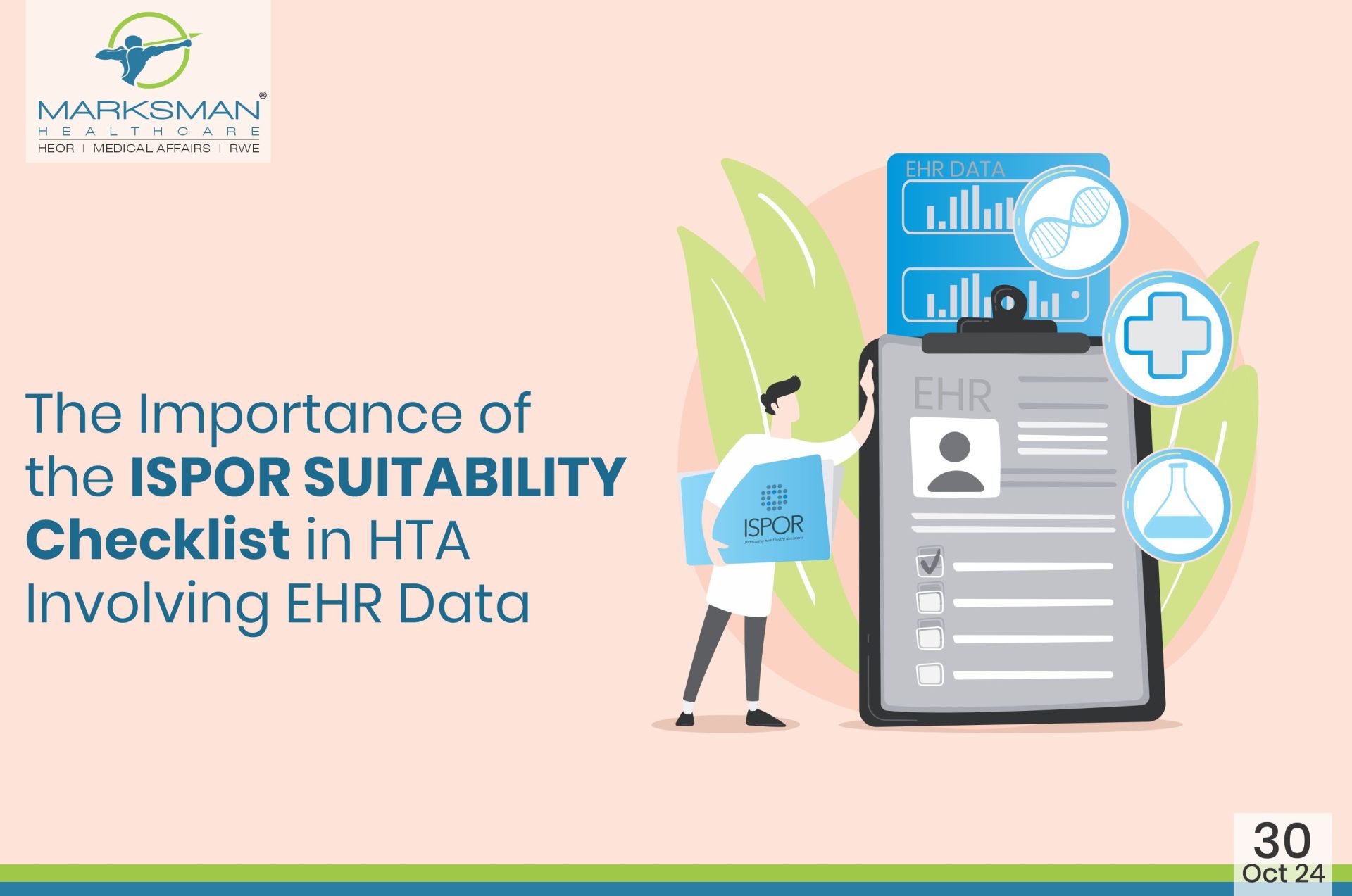
    To address these issues, the Professional Society for Health Economics and Outcomes Research (ISPOR) has developed the SUITABILITY checklist.[1] This checklist is designed to assess the appropriateness and quality of RWD sources, including EHRs, for HTA.[1]

    The ISPOR SUITABILITY Checklist contains two main elements: data delineation and data fitness for purpose. Data delineation provides a comprehensive understanding of the data and assesses their trustworthiness by describing data under three headings: data characteristics, provenance, and governance. On the other hand, data fitness for purpose examines two main components: the accuracy and completeness of items (data reliability) and the suitability of the data to answer the particular question at hand (data relevance). Data relevance is assessed by examining whether the data aligns with the research question or HTA objective, considering the population, intervention, comparator, outcomes, and settings of interest. Core issues for data relevance include data content; care settings and the time period of interest; and sample size and follow-up period.[1]

    Ensuring relevance, completeness, accuracy, timeliness, and generalizability is crucial for deriving meaningful insights and making informed decisions that impact a wide range of patients. Completeness evaluates whether the EHR data includes all necessary information to comprehensively address the research question, checking for missing data, gaps, and the presence of all relevant variables. Accuracy involves verifying the precision of recorded information to ensure it accurately reflects real-world clinical scenarios, while timeliness assesses whether the data is current and reflects contemporary clinical practices. Generalizability evaluates the extent to which findings from the EHR data can be applied to the broader population, examining the representativeness and diversity of the patient population included.[1,6-8]

    The checklist also addresses potential biases and confounding factors, and promotes transparency and reproducibility by providing a standardized framework for evaluating EHR data, which allows for consistent documentation and verification of research methodologies. Ultimately, the checklist supports robust decision-making and policy development by providing reliable evidence for assessing medical technologies, including their safety, efficacy, cost-effectiveness, and overall impact on patient outcomes and healthcare systems.[1,9]

    Digital health products offer new ways to manage and monitor care. In regulatory agencies, this demand is driven by the influx of innovative technologies and the need for quicker assessments. In this challenging environment, EHR-derived data hold promise for meeting information needs that traditional RWD platforms struggle to address. The task force’s framework and checklist are expected to evolve as experience with EHR-derived data increases.[5-8]

    The ISPOR task force also acknowledge the limitations of the checklist, such as not accounting for national or local EHR data system idiosyncrasies. Secondly, the checklist offers a broad categorization of data suitability components rather than explicit standards for data provenance, reliability, or relevance. Thirdly, the benefits of integrating EHR data with other data types have not been considered. These limitations notwithstanding, it is expected that as experience with EHRs grows, we will have a better understanding of the nature of data sources that are better suited for specific HTA questions. Addressing some components of the SUITABILITY framework may require significant efforts and resources, and some information might not be accessible to end users. With the rapid advancement of AI, reimagining how unstructured EHR information is transformed into EHR-derived data will likely necessitate updates to the framework and checklist.[1,10,11]

    The ISPOR SUITABILITY checklist is a crucial resource for effectively utilizing EHR data in HTA. By evaluating critical aspects like relevance, completeness, accuracy, timeliness, and generalizability, the checklist improves the quality, reliability, and validity of EHR data. It fosters transparent and reproducible research, supports evidence-based decision-making, and enhances the integration of RWD in HTA processes. As EHR data usage expands, the SUITABILITY checklist will continue to be vital for conducting thorough and influential HTAs, ultimately contributing to better healthcare outcomes globally.

    Become A Certified HEOR Professional – Enrol yourself here!

    References:

    1. Fleurence RL, Kent S, Adamson B, Bouée-Benhamiche E, García Martí S, Ramsey S. Assessing Real-World Data From Electronic Health Records for Health Technology Assessment: The SUITABILITY Checklist: A Good Practices Report of an ISPOR Task Force. ISPOR Report. 2024 Jun;27(6):692-701.
    2. Califf RM, Robb MA, Bindman AB, et al. Transforming evidence generation to support health and health care decisions. N Engl J Med. 2016;375(24):2395– 2400.
    3. Sherman RE, Anderson SA, Dal Pan GJ, et al. Real-world evidence – what is it and what can it tell us? N Engl J Med. 2016;375(23):2293–2297.
    4. Graili P, Guertin JR, Chan KKW, Tadrous M. Integration of real-world evidence from different data sources in health technology assessment. J Pharm Pharm Sci. 2023;26:11460.
    5. Shadmi E, Flaks-Manov N, Hoshen M, et al. Predicting 30-day readmissions with preadmission electronic health record data. Med Care. 2015;53(3):283–289.
    6. Duke Margolis Center for Health Policy. Determining Real-World Data’s Fitness for Use and the Role of Reliability; 2019:1–54. Available from: https://healthpolicy.duke.edu/ sites/default/files/2019-11/rwd_reliability.pdf
    7. US Food and Drug Administration. Real-World Data: Assessing Electronic Health Records and Medical Claims Data To Support Regulatory DecisionMaking for Drug and Biological Products; 2021:1–39. Available from: https://www.fda.gov/ media/152503/download.
    8. European Medicines Agency. Data Quality Framework for EU medicines regulation; 2023:1–42. Available from: https://www.ema.europa.eu/en/documents/regulatory-proceduralguideline/data-quality-framework-eu-medicines-regulation_en.pdf.
    9. O’Rourke B, Oortwijn W, Schuller T, International Joint Task Group. The new definition of health technology assessment: a milestone in international collaboration. Int J Technol Assess Health Care. 2020;36(3):187–190.
    10. Fleurence RL, Shuren J. Advances in the use of real-world evidence for medical devices: an update from the national evaluation system for health technology. Clin Pharmacol Ther. 2019;106(1):30–33.
    11. Desai RJ, Matheny ME, Johnson K, et al. Broadening the reach of the FDA Sentinel system: a roadmap for integrating electronic health record data in a causal analysis framework. NPJ Digit Med. 2021;4(1):170.
  • The Role of Patients and Caregivers in Health Preference and Patient-Reported Outcomes Research

    The Role of Patients and Caregivers in Health Preference and Patient-Reported Outcomes Research

    The role of patients and caregivers in health preference research (HPR) and patient-reported outcomes (PROs) research is critical for fostering patient-centered care. HPR involves recognizing and integrating the preferences of patients and caregivers into healthcare decision-making, using techniques to measure these preferences quantitatively. This ensures that healthcare services align with the needs and desires of patients, leading to more personalized and effective care. [1,2]

    PROs are defined by the NIH as direct feedback from patients on their feelings and capabilities while managing chronic diseases or conditions. PROs are increasingly collected in both clinical research and practice, offering insights directly from patients about their symptoms, daily functioning, and overall quality of life, beyond what clinical measures can capture. This patient perspective is crucial for understanding the comprehensive impact of diseases and treatments. PROs assess various health-related concepts, particularly in quality and performance measurement, including health-related quality of life, functional status, symptoms and symptom burden, health behaviors, and patient healthcare experiences.[3-6]

    Patients play a vital role in defining research priorities, participating actively in research processes, and providing valuable preferences data and PROs. Their first-hand experience with diseases and treatments guides researchers to focus on the most relevant and impactful areas of study. Patient advisory boards and focus groups ensure that research agendas reflect the true needs and preferences of the patient population. In participatory research models, patients collaborate with researchers in designing studies, developing survey instruments, and interpreting results, ensuring that the research is grounded in real-world experiences.[3-6]

    Caregivers are equally important in health care and research, providing crucial support for patients, especially those unable to fully participate due to age, cognitive impairment, or severe illness. They help complete PRO measures, offer proxy reports based on their observations, and manage personal electronic health records. Caregiver experiences inform the development of care models that are more responsive to the needs of both patients and caregivers, helping to identify gaps in care and areas where support services can be improved.[7-9]

    Involving patients and caregivers in health preference and PRO research significantly enhances the relevance and validity of findings by ensuring that studies reflect real-world experiences and preferences. This inclusion improves research quality, participant recruitment, and the design of patient-facing materials, while ensuring that study results are effectively communicated to patient communities. Proper planning for patient and caregiver involvement, addressing compensation, roles, training, and support, is essential for optimizing their contributions throughout the research process. This approach not only improves research quality but also empowers patients and caregivers by giving them a voice in the research process, ultimately leading to a more engaged and informed healthcare experience.[4,8-10]

    While involving patients and caregivers in HPR and PRO research offers significant benefits, it also presents several persistent challenges. Securing a demographically diverse patient population can be challenging, often hindered by insufficient logistical, financial, or educational resources needed to effectively incentivize and engage patients. Sustaining patient participation over time is another hurdle, exacerbated by the risk of tokenism where a single patient is expected to represent an entire demographic. Moreover, patients frequently express dissatisfaction when their engagement results are not shared with them, which can deter future participation. The availability and readiness of caregivers also impact the quality of care transitions for patients post-hospitalization, underscoring the importance of clearly defining and supporting caregiver roles to enhance interventions during the discharge process.[10,11]

    To successfully involve patients and caregivers in health preference and PRO research, meticulous planning and resource allocation are essential to ensure representative participation and address literacy and language barriers. Understanding the specific preferences of diverse subgroups is crucial; for instance, investigating issues like menopausal symptom relief for women requires targeted approaches. Clearly articulating the purpose of involving patients as research partners helps establish their role and fosters trust. Selecting patient partners who have prior research experience and established relationships with researchers, and including multiple patient partners on the study team, enhances the effectiveness of their involvement. Such clarity and preparation can build greater trust and commitment to the research project. Moreover, researchers must balance the need for scientific rigor with the practicalities of effectively integrating patient and caregiver input, ensuring that the research is both robust and reflective of real-world experiences.[10-12]

    Patients and caregivers are invaluable partners in health preference and patient-reported outcomes research. Their involvement ensures that healthcare research and decision-making are grounded in the realities of those who are most affected by health conditions and treatments. By continuing to engage patients and caregivers in meaningful ways, we can advance towards a more patient-centered healthcare system that delivers better outcomes and higher satisfaction for all.

    Become A Certified HEOR Professional – Enrol yourself here!

    References:

    1. Craig BM, Lancsar E, Mühlbacher AC, Brown DS, Ostermann J. Health preference research: an overview. Patient. 2017;10(4):507-510.
    2. Van Overbeeke E, Vanbinst I, Jimenez-Moreno AC, Huys I. Patient centricity in patient preference studies: the patient perspective. Front Med. 2020.
    3. Smith MY, Janssens R, Jimenez-Moreno AC, et al. Patients as research partners in preference studies: learnings from IMI-PREFER. Res Involv Engagem. 2023;9(1):21.
    4. Garvelink MM, Ngangue PA, Adekpedjou R, et al. A synthesis of knowledge about caregiver decision making finds gaps in support for those who care for aging loved ones. Health Aff. 2016;35(4):619-26.
    5. Committee on Family Caregiving for Older Adults; Board on Health Care Services; Health and Medicine Division; National Academies of Sciences, Engineering, and Medicine; Schulz R, Eden J, editors. Families caring for an aging America. Washington (DC): National Academies Press (US); 2016 Nov 8. Available from: https://www.ncbi.nlm.nih.gov/books/NBK396398/.
    6. Zendjidjian XY, Boyer L. Challenges in measuring outcomes for caregivers of people with mental health problems. Dialogues Clin Neurosci. 2014;16(2):159-69.
    7. Patrick K, Kebbe M, Aubin D. A home for patient-oriented research. CMAJ. 2018;190(20)
    8. Manafo E, Petermann L, Mason-Lai P, Vandall-Walker V. Patient engagement in Canada: a scoping review of the ‘how’ and ‘what’ of patient engagement in health research. Health Res Policy Syst. 2018;16(1):1-11.
    9. Yeh MY, Wu SC, Tung TH. The relation between patient education, patient empowerment and patient satisfaction: a cross-sectional-comparison study. Appl Nurs Res. 2018;39:11-7.
    10. Woodward EN, Castillo AI, True G, Willging C, Kirchner JE. Challenges and promising solutions to engaging patients in healthcare implementation in the United States: an environmental scan. BMC Health Serv Res. 2024;24(1):29.
    11. Van Schelven F, Boeije H, Mariën V, Rademakers J. Patient and public involvement of young people with a chronic condition in projects in health and social care: a scoping review. Health Expect. 2020;23:789-801.
    12. Craig BM, Mitchell SA. Examining the value of menopausal symptom relief among US women. Value Health. 2016;19(2):158-66.
  • Tiered Pricing for Varied Markets: Is It of Value to Patient Access?

    Tiered Pricing for Varied Markets: Is It of Value to Patient Access?
    Tiered Pricing for Varied Markets: Is It of Value to Patient Access?

    Ensuring equitable access to life-saving medications in the pharmaceutical industry is a significant challenge. Tiered pricing, a strategy that adjusts drug prices based on the economic status of different markets, offers a promising solution. This approach aims to balance the financial sustainability of pharmaceutical companies with the urgent need for affordable medications in lower-income regions.[1]

    Tiered pricing, sometimes also referred to as differential pricing, involves setting different prices for the same product in different markets. In the pharmaceutical sector, this means offering drugs and vaccines at lower prices in developing countries compared to developed ones. The tiered pricing approach aims to improve access to medicines for economically disadvantaged populations, and is supported by industry, policymakers, civil society, and the academia. It allows manufacturers to adjust prices based on each market’s ability to pay, increasing the accessibility of pharmaceuticals in lower-income regions.[1,2]

    Tiered pricing enhances access to essential medications in low- and middle-income countries (LMICs) by lowering drug prices, aligning with global health goals to reduce disparities. This approach allows the higher drug  prices in wealthy markets to cover research and development costs while keeping prices lower in developing regions. Consequently, tiered pricing not only enhances social welfare by making medications more accessible, but also enables pharmaceutical companies to tap into new markets. Additionally, it reflects corporate social responsibility by focusing on patient welfare and contributing to global health improvements, which enhances the company’s reputation and relationships with stakeholders.[1,3-6]

    Despite its benefits, tiered pricing presents several challenges that need addressing. One major issue is pricing transparency: a lack of clarity around pricing structures can lead to mistrust among patients and healthcare providers. Clear communication about the rationale behind tiered pricing is crucial for building public trust. Market segmentation also poses difficulties, as internal market divisions may not always be equitable. Variations in the public and private sector’s role in medicine distribution and differing economic statuses within countries can complicate accurate segmentation. Additionally, current tiered pricing approaches vary widely, with some companies using World Bank income classifications while others rely on development indicators or regional health burdens. A major flaw in using per capita Gross National Income for pricing is that it does not account for high inequality within countries, which can limit affordability for poorer populations. The absence of a clear international norm for setting price tiers and the political nature of distributing R&D costs further complicates the implementation. Moreover, tiered pricing can unintentionally foster parallel trade, where lower-priced drugs intended for LMICs are resold in higher-income markets, undermining the pricing strategy and causing financial losses for pharmaceutical companies. To maintain the integrity of tiered pricing, robust measures are needed to prevent such trade practices.[6-8]

    Several pharmaceutical companies have successfully implemented tiered pricing strategies to enhance patient access. The willingness and ability to pay for drugs vary across countries and pharmaceutical companies often engage in price discrimination based on purchasing power and socio-economic segments. [5,9] As the global healthcare landscape evolves, tiered pricing is set to play a crucial role in improving patient access to medications. Advances in data analytics and market research will enhance pharmaceutical companies’ ability to accurately segment markets and set appropriate prices. To ensure access to medicines for populations in need, alternative strategies should harness the power of competition, avoid arbitrary market segmentation, and recognize government responsibilities While competition can be effective for achieving affordability, tiered pricing remains a legitimate mechanism to improve consumer welfare by reducing the price of health technologies without compromising innovation. Another method is charging higher prices in insured markets while offering lower prices for other sectors. However, many developing countries have limited insurance systems. To achieve equitable pricing, governments need to promote generic competition. Importantly, differential pricing offers limited hope of price reduction for drugs specific to the developing world and fails to address access to medicines for neglected diseases. Increased collaboration between governments, NGOs, and the pharmaceutical industry can help address these challenges and ensure the successful implementation of tiered pricing.[1,6,10]

    In conclusion, tiered pricing offers a viable solution to the challenge of equitable access to medications across varied markets. By balancing affordability with financial sustainability, this strategy can enhance patient access, improve public health outcomes, and demonstrate corporate social responsibility. However, careful consideration of the associated challenges and a commitment to transparency and market segmentation are essential for its success. As the pharmaceutical industry continues to innovate, tiered pricing will remain a key component of efforts to make life-saving medications accessible to all, regardless of economic status.

    Become A Certified HEOR Professional – Enrol yourself here!

    References:

    1. Moon S, Jambert E, Childs M, et al. A win-win solution?: A critical analysis of tiered pricing to improve access to medicines in developing countries. Global Health. 2011;7:39.
    2. Yadav P. Differential pricing of pharmaceuticals: Review of current knowledge, new findings and ideas for action. A study conducted for the UK Department for International Development (DFID). Zaragoza, Spain: MIT-Zaragoza International Logistics Program; 2010. Available from: http://www.dfid.gov.uk/Documents/publications1/prd/diff-pcing-pharma.pdf
    3. Danzon PM, Towse A. Differential pricing for pharmaceuticals: reconciling access, R&D and patents. Int J Health Care Finance Econ. 2003;3:184.
    4. Chalkidou K, Claxton K, Silverman R, et al. Value-based tiered pricing for universal health coverage: an idea worth revisiting. Gates Open Res. 2020;4:16.
    5. World Health Organization. Promoting access to medical technologies and innovation: intersections between public health, intellectual property, and trade. Geneva, Switzerland: World Health Organization; 2012. p. 159.
    6. Abbas MZ. COVID-19 and the global public health: Tiered pricing of pharmaceutical drugs as a price-reducing policy tool. J Gen Med. 2021;17(3):115-21.
    7. Cameron A, Ewen M, Ross-Degnan D, Ball D, Laing R. Medicine prices, availability, and affordability in 36 developing and middle-income countries: A secondary analysis. Lancet. 2009;373:240-9.
    8. Wong EV. Inequality and pharmaceutical drug prices: An empirical exercise. Disc Pap Econ. Center for Economic Analysis, Department of Economics, University of Colorado, Boulder, CO; Working Paper 02-19.
    9. World Health Organization. WHO and Novartis join forces to combat drug-resistant malaria [Internet]. 2001 May 23. Available from: https://www.who.int/news/item/23-05-2001-who-and-novartis-join-forces-to-combat-drug-resistant-malaria
    10. Gurry F. Innovation driving human progress: WIPO and the Sustainable Development Goals (SDGs). Geneva: World Intellectual Property Organization; 2018. p. 15.