

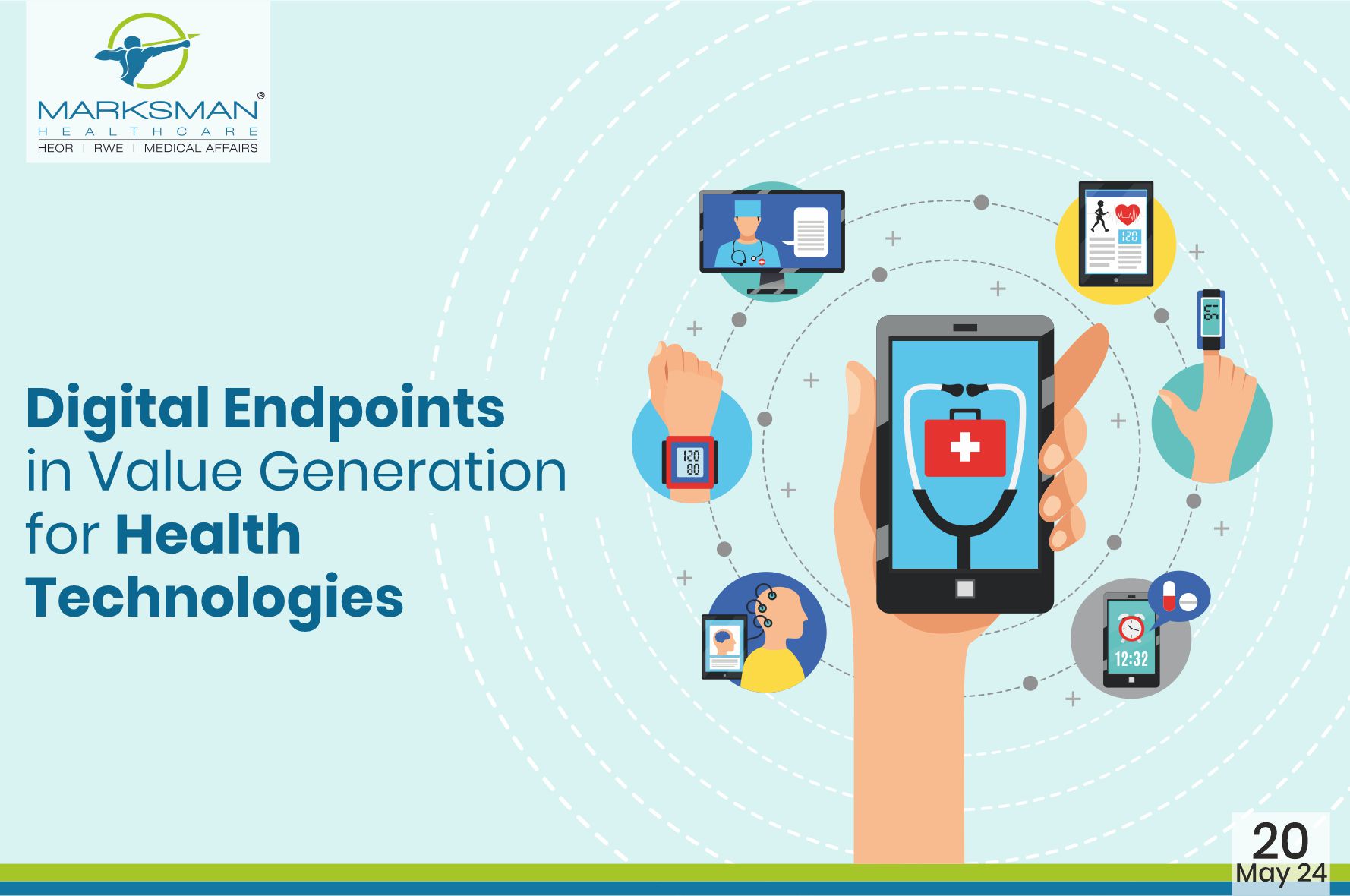

The inception of digital endpoints in clinical trials holds great potential to transform research methodology, which is characterized by easy and perfect data collection. This will increase the development of life-saving therapies, and can also enhance patient engagement. The newly introduced digital endpoints are driven by advancements in technology, including the miniaturization of sensors, enhancement in data analytics, the wider implementation of wearable devices and mobile health applications by patients and healthcare providers.[1]
Digital endpoints are used as essential tools for evaluating the effectiveness and value of novel treatments and interventions. The drawbacks of conventional endpoints may be addressed by digital endpoints, which are characterized by sensor-generated data from locations other than clinical settings. Digital endpoints offer a novel approach to measuring health outcomes, providing a more granular and giving a more detailed and continuous picture of patient health. Traditional clinical endpoints like mortality rates or disease progression markers frequently only offer a glimpse of the state of health at specific points in time. On the other hand, digital endpoints provide an ongoing, real-time data stream that allows for a more sophisticated comprehension of health trajectories and the impact of interventions over time. As a consequence, these digital endpoints can be valuable for both evaluating diseases and the health technology that generates the endpoints.[1,2]
Health technology assessments (HTAs) and clinical trials may gain benefit from the integration of digital endpoints in a number of ways, including better self-management, enhanced patient participation, and improved patient engagement through the provision of real-time health feedback. In addition, eliminating recall bias through continuous evaluation, it enhances the quality of data by facilitating remote, patient-centered data gathering, improving treatment efficacy assessments, and producing more accurate results. Additionally, by facilitating real-time patient regimen monitoring, which enhances outcomes and lowers side effects, digital endpoints promote medication safety and adherence. Furthermore, digital endpoints can drastically reduce the operational costs related to clinical trials and HTAs by automating data collecting and reducing the need for in-person visits.[3,4]
Despite its promise, using digital endpoints presents several difficulties, such as safeguarding data security and privacy, particularly in light of the rise in cyberattacks. Furthermore, it is critical to have standardized and verified procedures to ensure that digital endpoints accurately reflect health outcomes and remain consistent across research. Regulatory approval continues to be a major obstacle, and the relatively low adoption of digital endpoints among large pharmaceutical companies can be attributed to both difficult regulatory constraints and inadequate finance.[5]
Regulatory agencies are working hard to create frameworks for the use of digital endpoints in research and HTA, keeping in mind the potential they provide. A road map for using digital health tools to gather clinical data and identify new endpoints in drug development may be found in the USFDA’s draft guidance on “Digital Health Technologies for Remote Data Acquisition in Clinical Investigations.” Similarly, a framework for using digital technology for data collection and management is established by the EMA’s recommendations on computerized systems and electronic data in clinical trials. Despite the fact that these recommendations open the door to more effective and patient-centric medication development, difficulties still exist. Careful considerations must be given to data privacy and security, standardization and validation of digital endpoints, and overcoming existing regulatory hurdles.[6,7]
To sum up, digital endpoints are a big step forward in determining the value of health innovations. They have the ability to revolutionize our understanding of and ability to enhance health outcomes by providing a more thorough and continuous picture of patient health. To fully realize this promise, the related difficulties must be resolved, and it is imperative that digital endpoints be utilized sensibly and efficiently throughout the healthcare ecosystem.
Become A Certified HEOR Professional – Enrol yourself here!
References
- Landers M, Dorsey R, Saria S. Digital endpoints: definition, benefits, and Current barriers in accelerating development and adoption. Digit Biomarkers. 2021;5(3):216–223. doi:10.1159/000517885
- Clinixir. Unleashing Potential for Digital Endpoints: How They Can Revolutionize Clinical Research [Internet]. Available from: https://www.clinixir.com/blog/unleashing-potential-for-digital-endpoints-how-they-can-revolutionize-clinical-research/
- Bian S, Zhu B, Rong G, et al. Towards wearable and implantable continuous drug monitoring: a review. J Pharm Anal. 2021;11(1):1–14. doi: 10.1016/j.jpha.2020.08.001
- Al Meslamani AZ. The long-term clinical impact of digital endpoints and biomarkers in data collection. Expert Rev Pharmacoecon Outcomes Res. 2024;1–3. doi:10.1080/14737167.2024.2320233
- Breaking the mold: How digital endpoints could transform clinical trials [Internet]. Available from: https://www.aissel.com/blog/how-digital-endpoints-could-transform-clinical-trials
- Current references on clinical endpoints derived from Digital Health Technologies [Internet]. Available from: https://www.efpia.eu/media/676660/efpia-digital-endpoints-reference-documents.pdf
- Guideline on computerised systems and electronic data in clinical trials [Internet]. Available from: https://www.ema.europa.eu/en/documents/regulatory-procedural-guideline/guideline-computerised-systems-and-electronic-data-clinical-trials_en.pdf